Dear Reader,
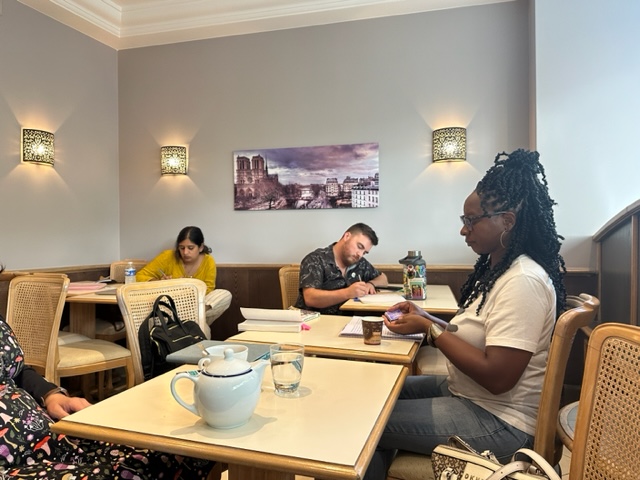
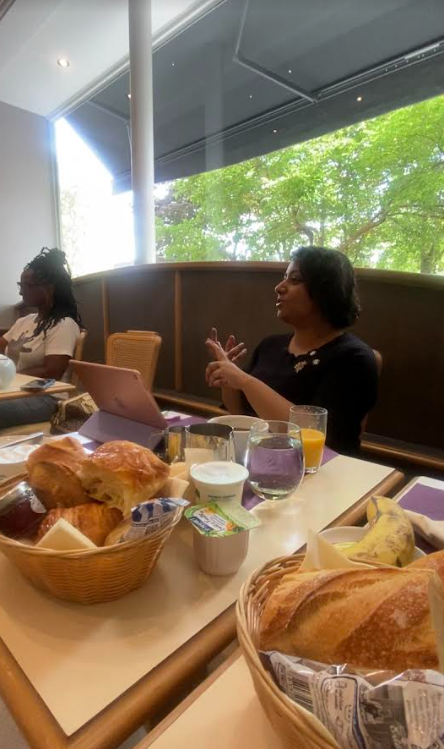
Welcome back to our Paris Writing Retreat blog! Today, we began our time in Paris and attended two great lectures. We began our day with our first craft of writing seminar titled “CREDO & Literary Salon” led by our Co-Directors Rita Banerjee and Diana Norma Szokolyai. As a resource, this class used Cambridge Writers’ Workshop’s CREDO: An Anthology of Manifestos and Sourcebook for Creative Writing (C&R Press), which presents different types of “Credos” or “I believe” statements, manifestos, creative advice and exercises. According to the synopsis a Credo is a “call to arms. It is a declaration…an act of an individual pushing back against society, against established stigmas, taboos, values, and norms.”
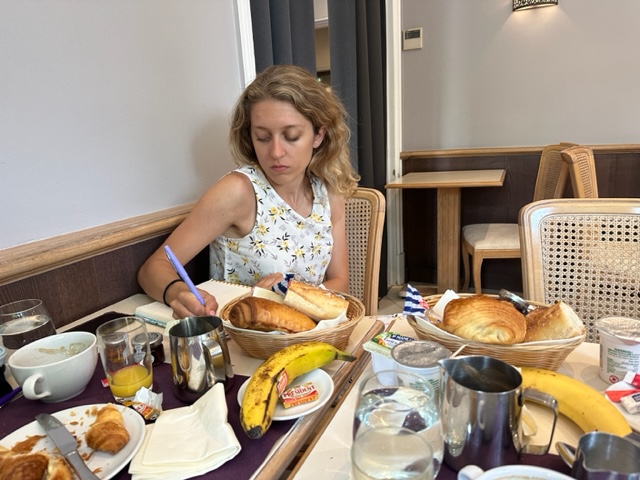
I think every writer should have a CREDO or at least challenge themselves by writing one. Having just arrived in Paris, sitting with a group of writers it felt empowering to think about what I believed in. This exercise encouraged me to write the following: “I believe in the fact that every human is capable of doing hard things. I believe that everyone should be loved with the same respect and the dignity that they deserve. Everyone should be open and honest and come forward with calm minds. Minds that aren’t restless or fearful of what the world has to offer.” This CREDO exercise has left me thinking that it would be a great way to introduce a future novel and get into character. The aforementioned quotes are only a small excerpt of the page I wrote for this practice.
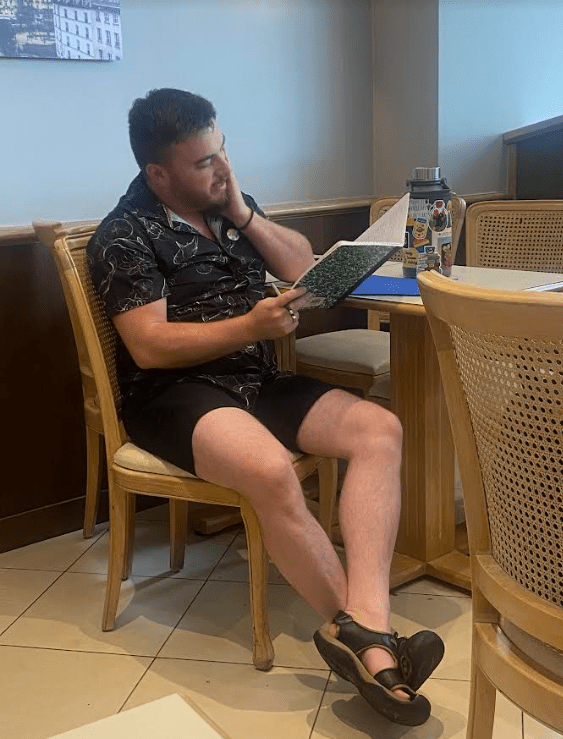
We were challenged to create our own credos after reading other credos. Here are some brief excerpts from our CREDO statements:
- “We’re surrounded by obligations. Writing is of me, it is an organ, a ritual.”
- “Writing is a compulsive act.”
- “Believe in leisure, not a metric of performance”
- “Being present is a kind of perfection. A rejection of time.”
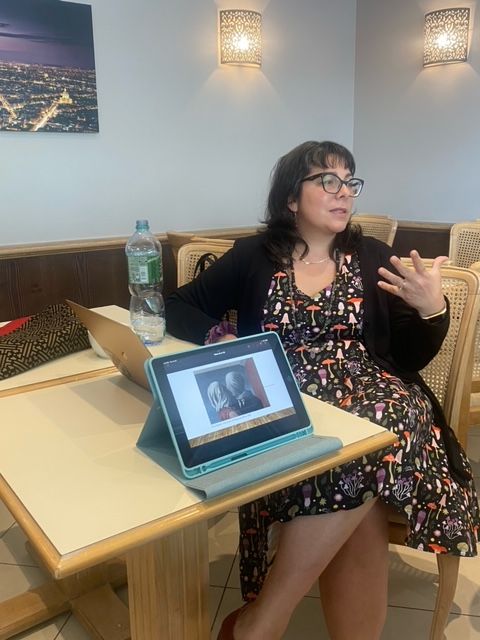
After lunch, we had our next craft of writing seminar which was titled “Surrealism in Paris and Beyond” taught by Diana Norma Szokolyai. In the class, we discussed the origin of surrealism and its impact on artists and writers from the 20th century to today. We learned about the tools surrealists use to access the subconscious. We explored the texts of the Surrealist Manifestos, as well as learned about key figures of the movement like André Breton, Yvan Goll, Dora Maar, Louis Aragon, Salvador Dalí, Tristan Tzara, René Magritte, Frida Kahlo, Pierre Reverdy, Méret Oppenheim and more. Since we were staying in Montparnasse, it was interesting to learn about the writers and artists who were connected to the surrealist movement. It was inspiring to read contemporary authors, who are inspired by surrealism, such as Ada Limón and Adam McOmber.
We tried surrealist writing exercises meant to cross the bridges between dreams and reality and go beyond rational thought into the subconscious. I had never done this form of writing before, but I wanted to challenge myself, specifically the dream journaling and automatic writing. Automatic writing seemed daunting to me, it’s a challenge to just write without stopping and going back, crossing something out and editing it altogether (does anyone else’s process look like this? With a bunch of scribbles on the page? Yeah, mine too). To be honest, I think writing without stopping can create the best work from an artist, but being okay with writing without editing needs to be a habit of mind beforehand.
Dreams are also a common inspiration in writing but can also be difficult to depict through one’s art. I started dream journaling, and it was very interesting to tap into this new form of writing. My dreams tend to be vibrant, intense and colorful, which I think is in-line with future work I want to do to expand plot lines and emotional tone. It has been fun seeing how the zaniness and metaphor within one’s dreams come through in each person’s work. The results are both personal and fantastical all at once!
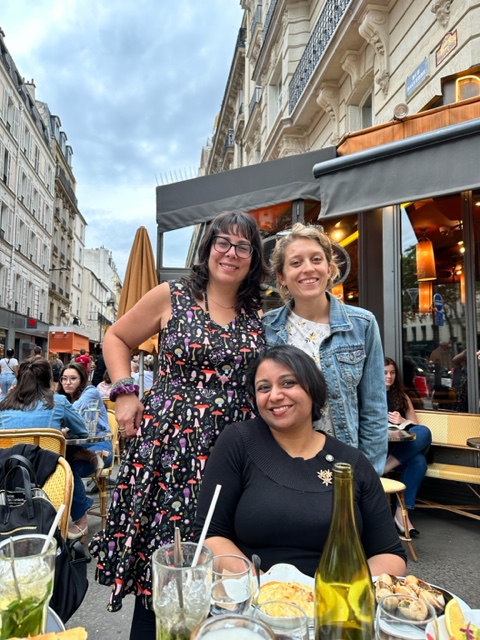
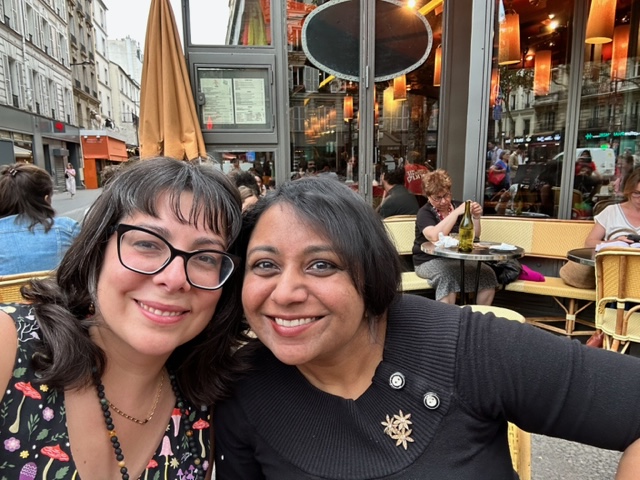
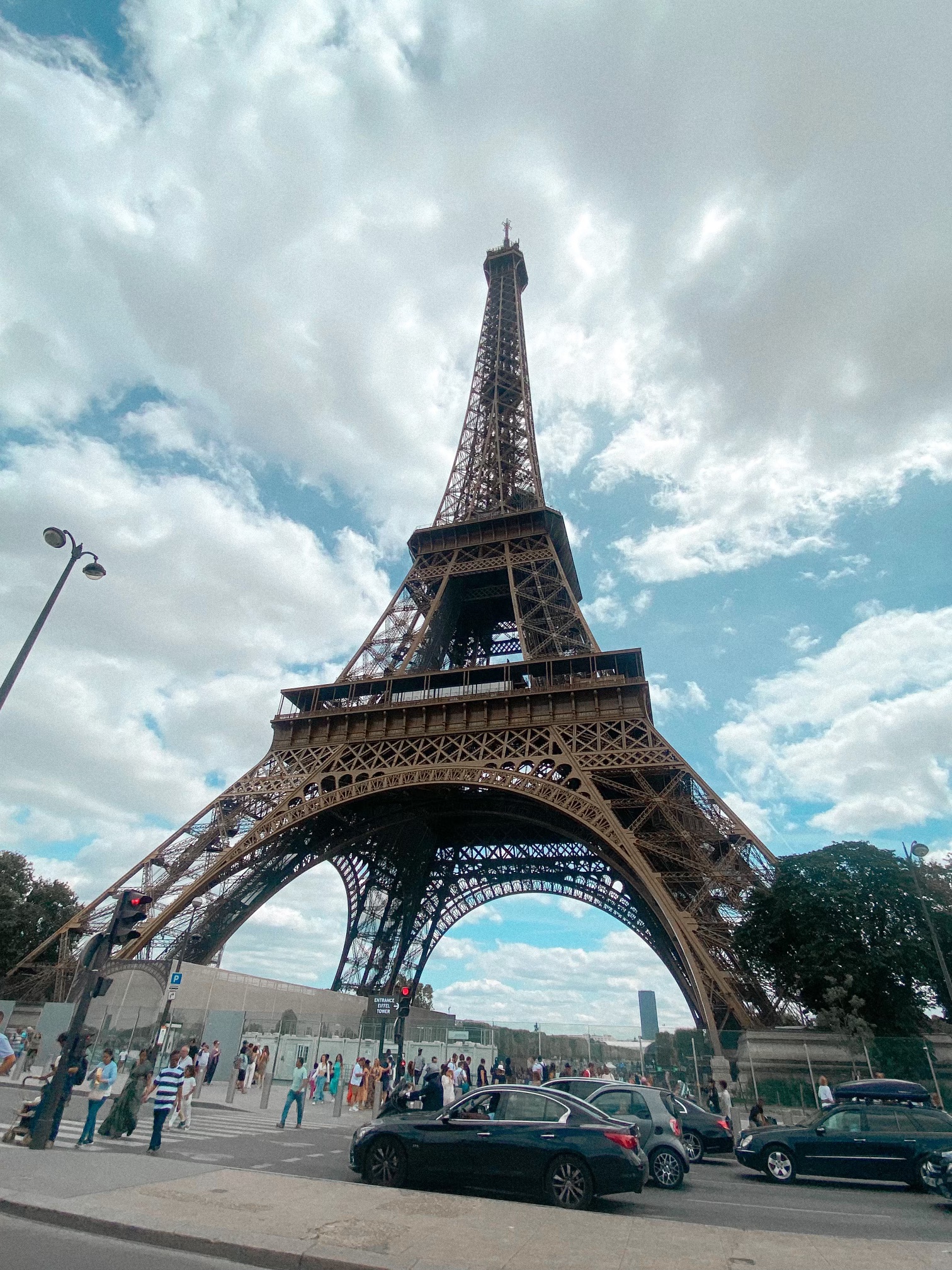
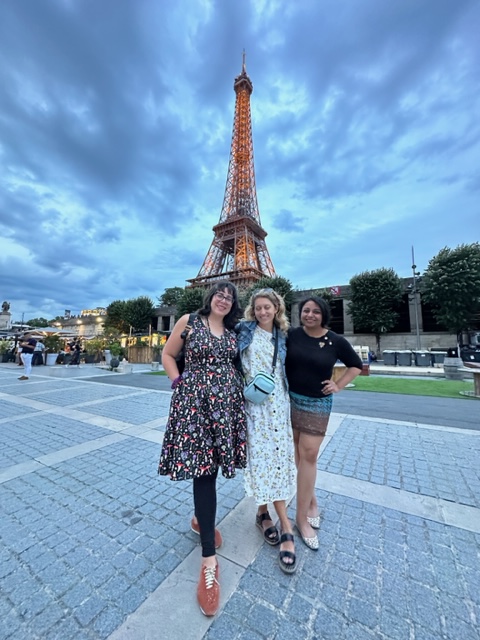
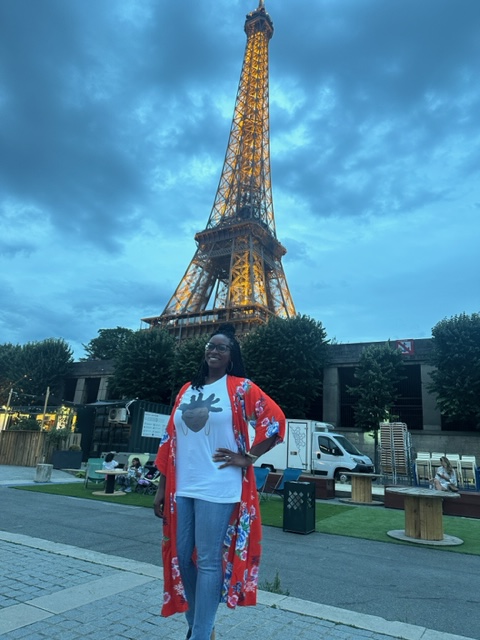
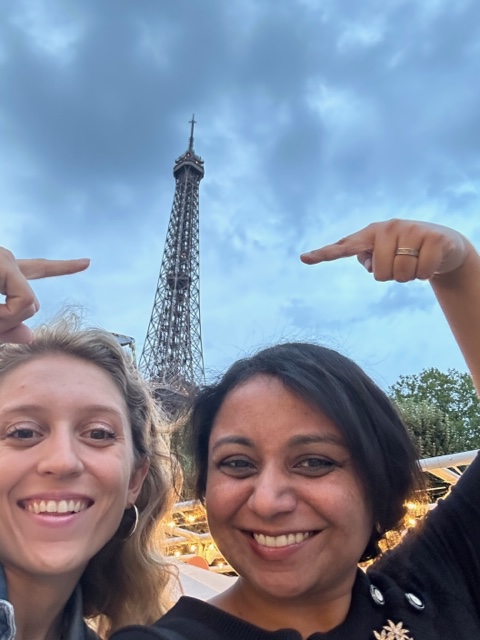
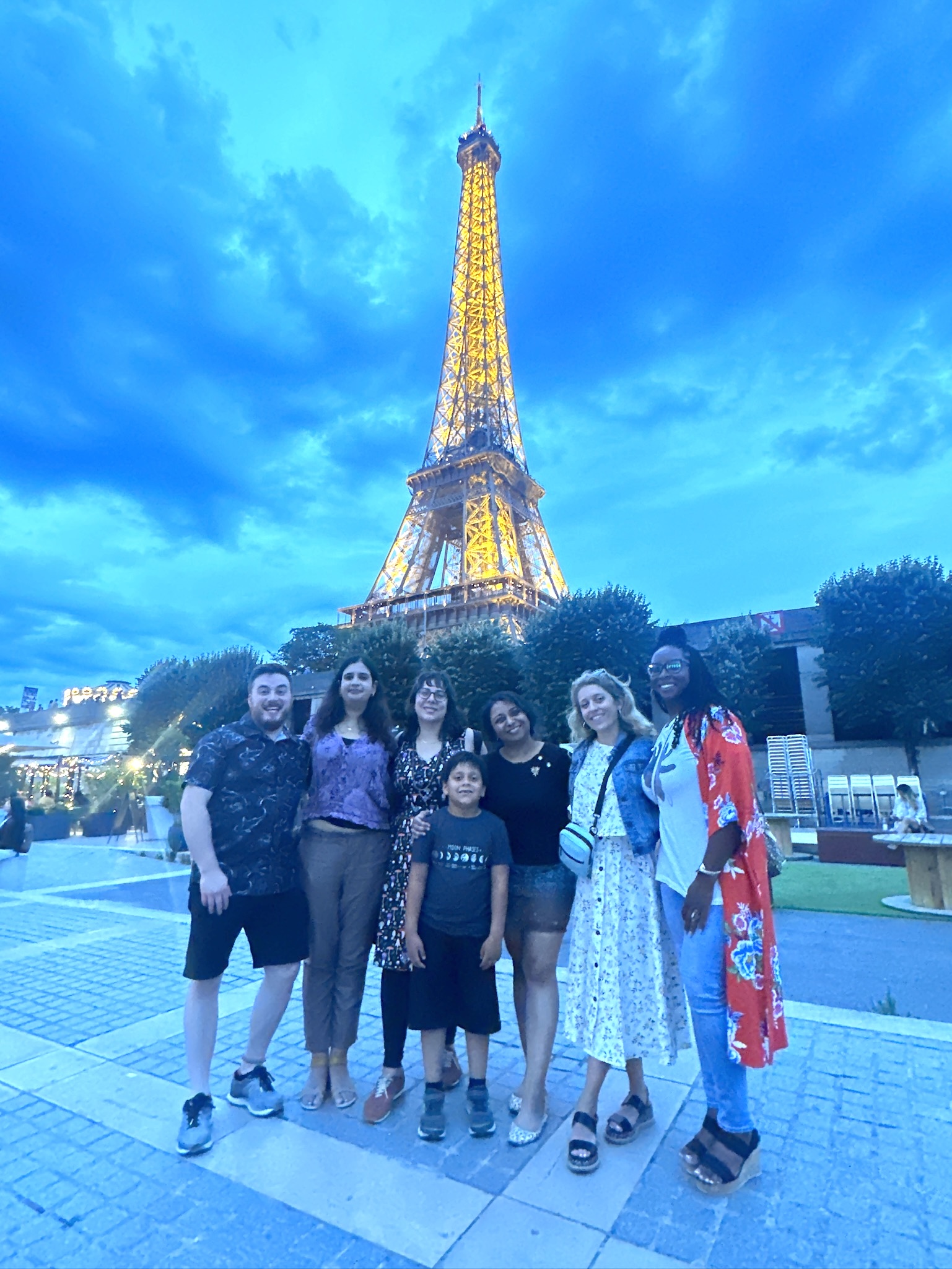
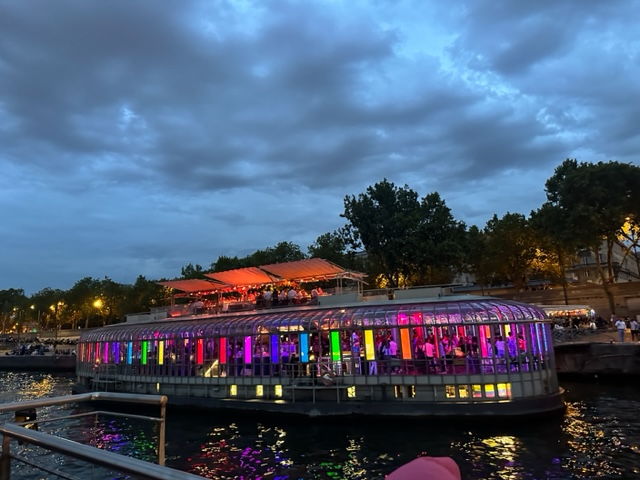
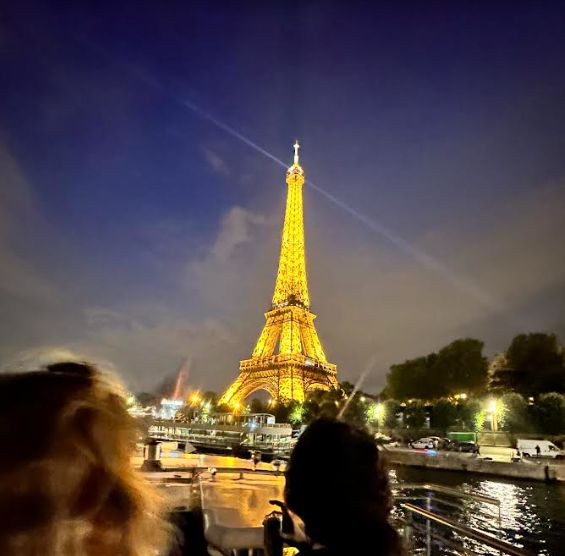
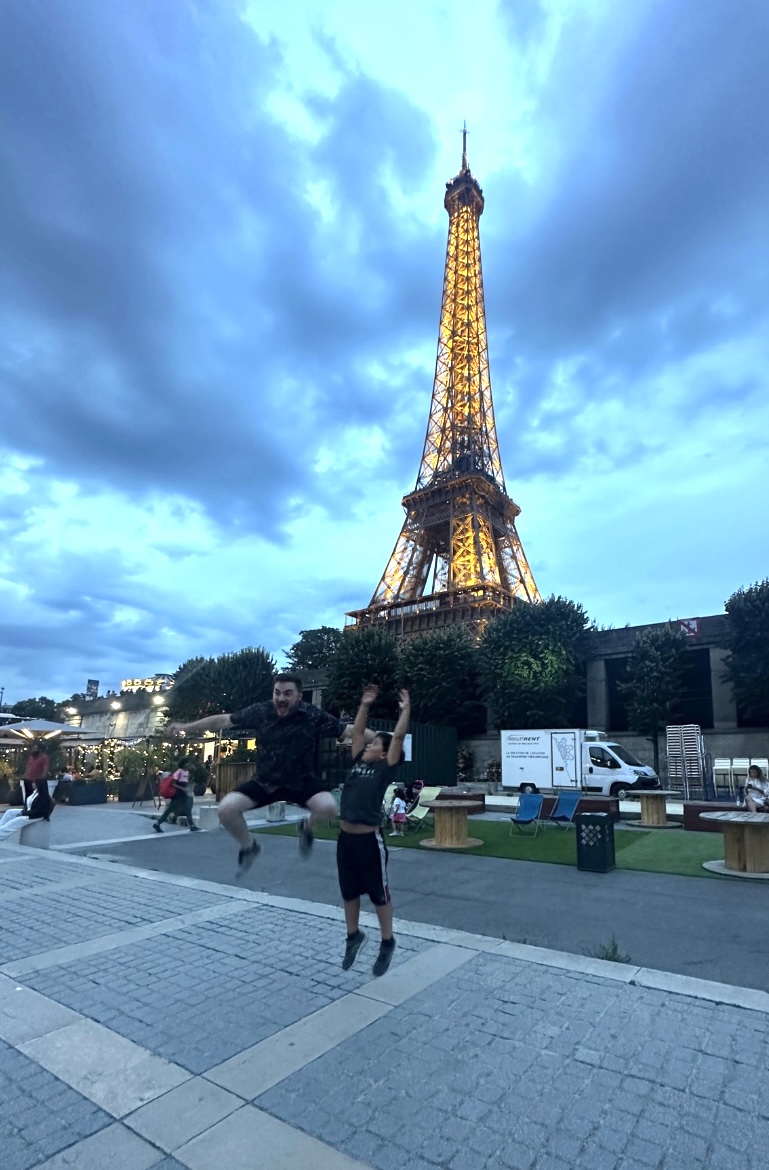
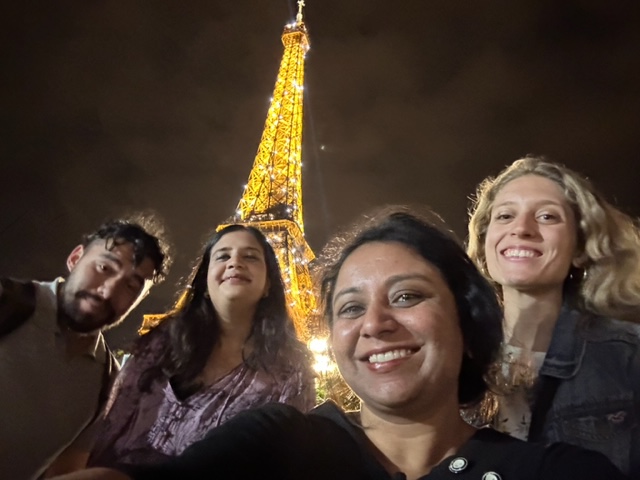
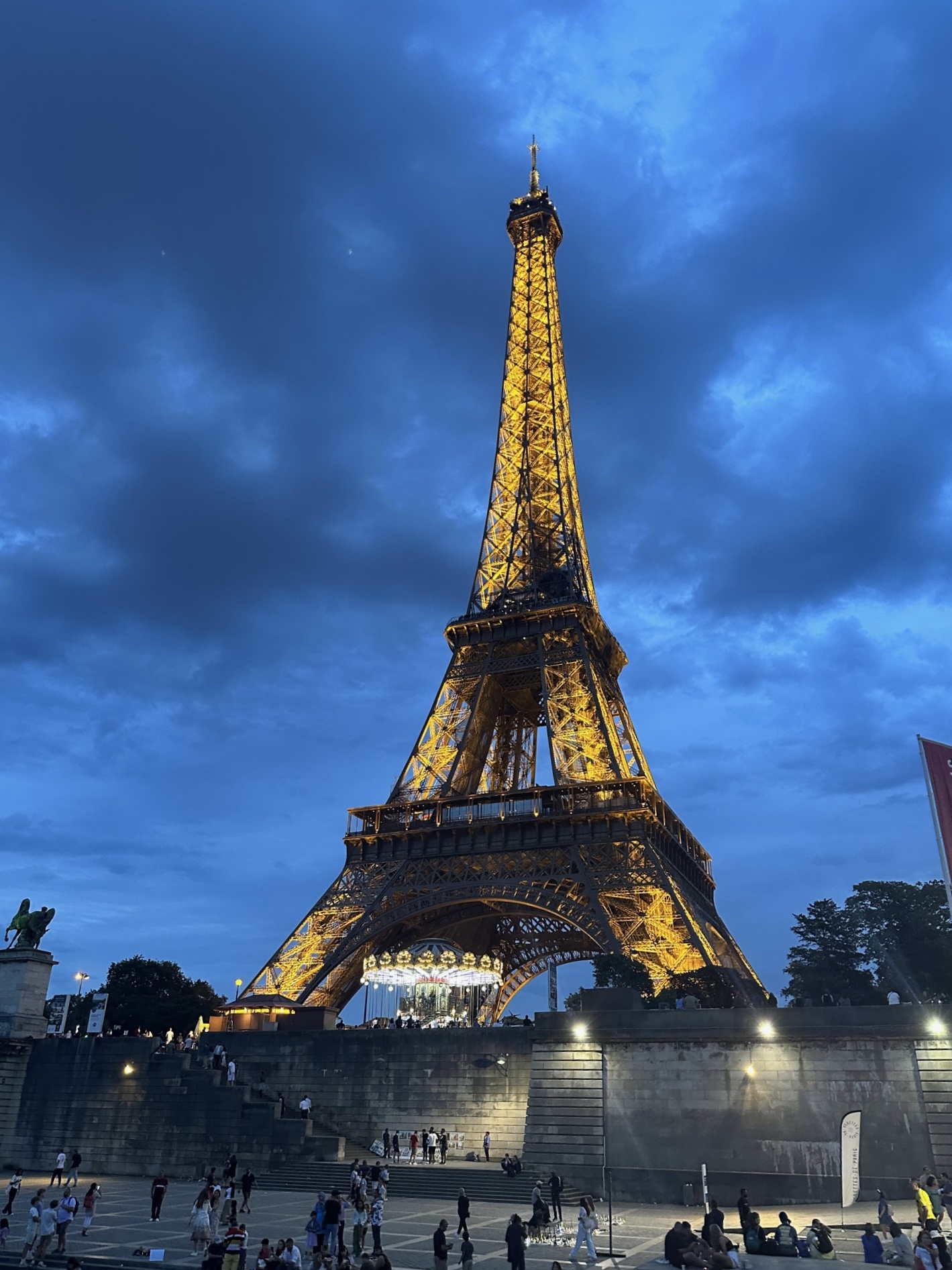
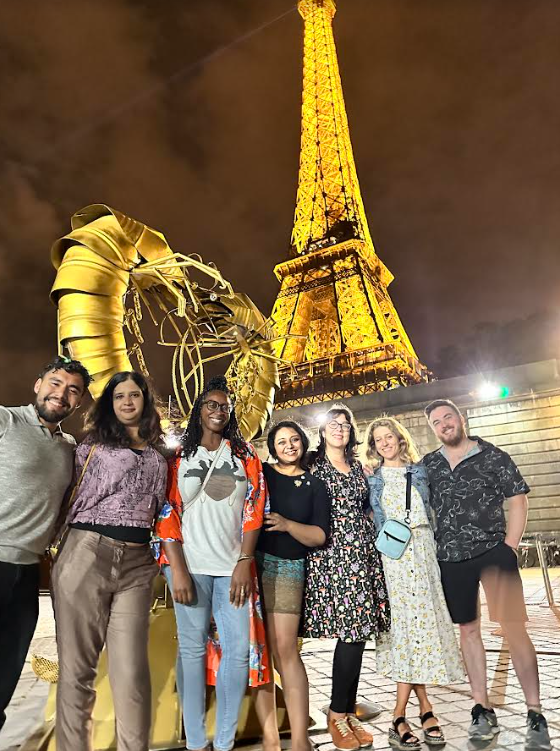
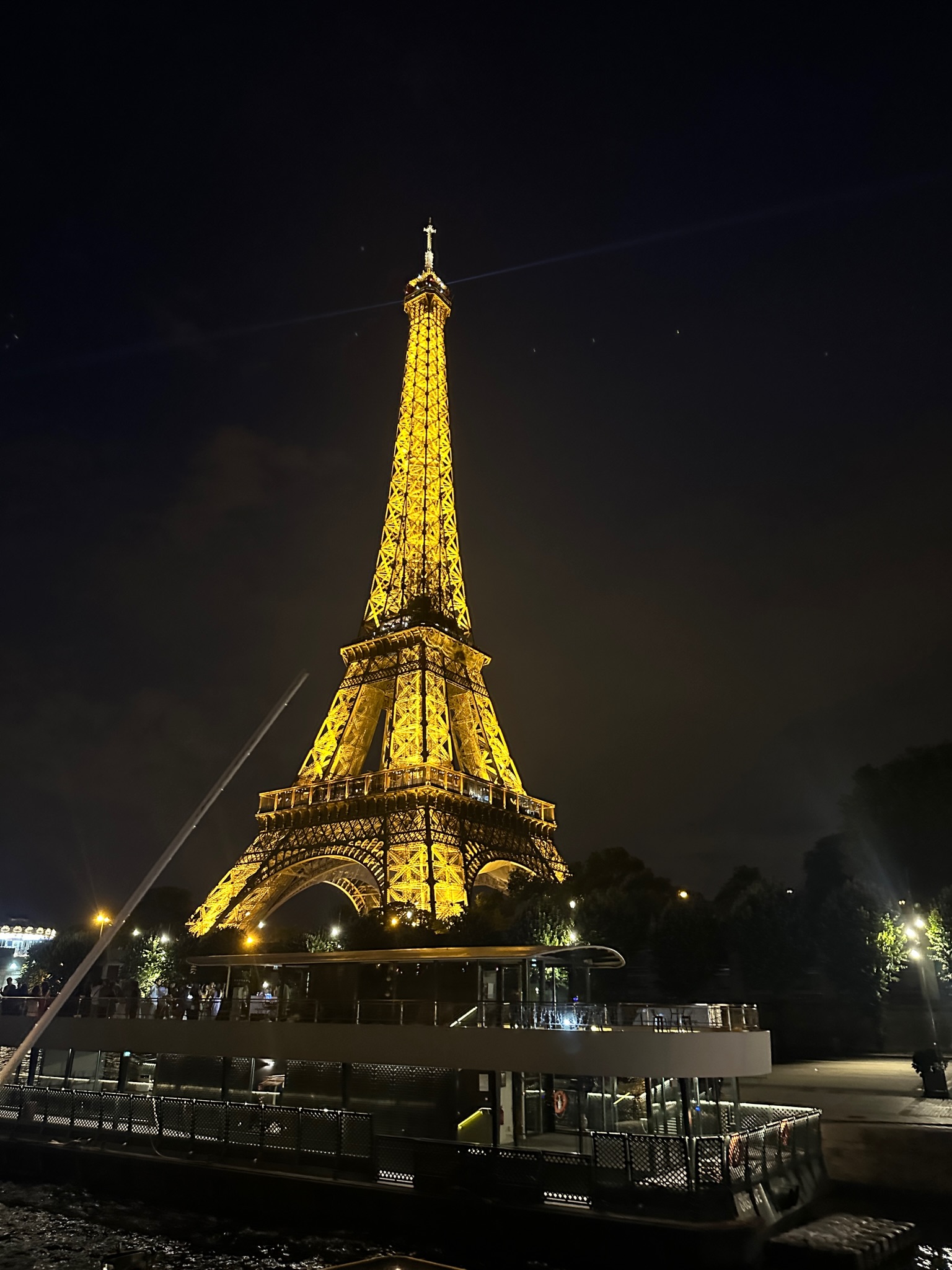
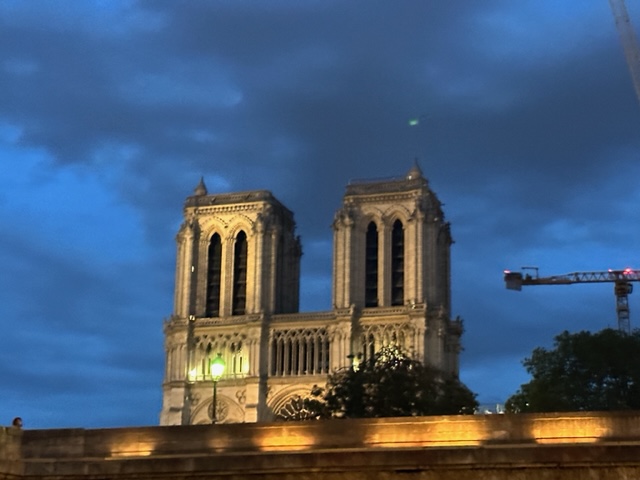
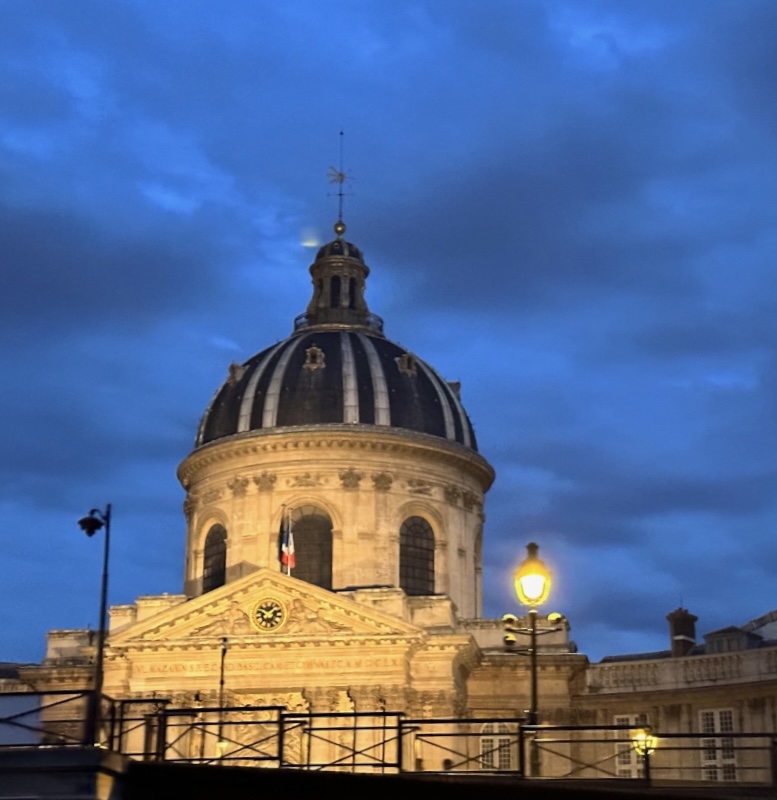
At night, we enjoyed a beautiful cruise on the Seine River and we were able to see all the landmarks lit up. Enjoy the photos below!
Sincerely,
Corrine Previte, Manager
Cambridge Writers’ Workshop
 Cambridge Writers' Workshop