August 9 – Writing & Yoga at the Château de Verderonne

Writing life

Writing life

Day three of the Yoga and Writing Retreat was spent exploring the mystery of the Château de Verderonne and using our finds as fuel for our writing, eating French food, and working out our kinks on the yoga mat. We earned the clinks of “Salut” by the end of the day. (Always make eye contact in your toasts!)

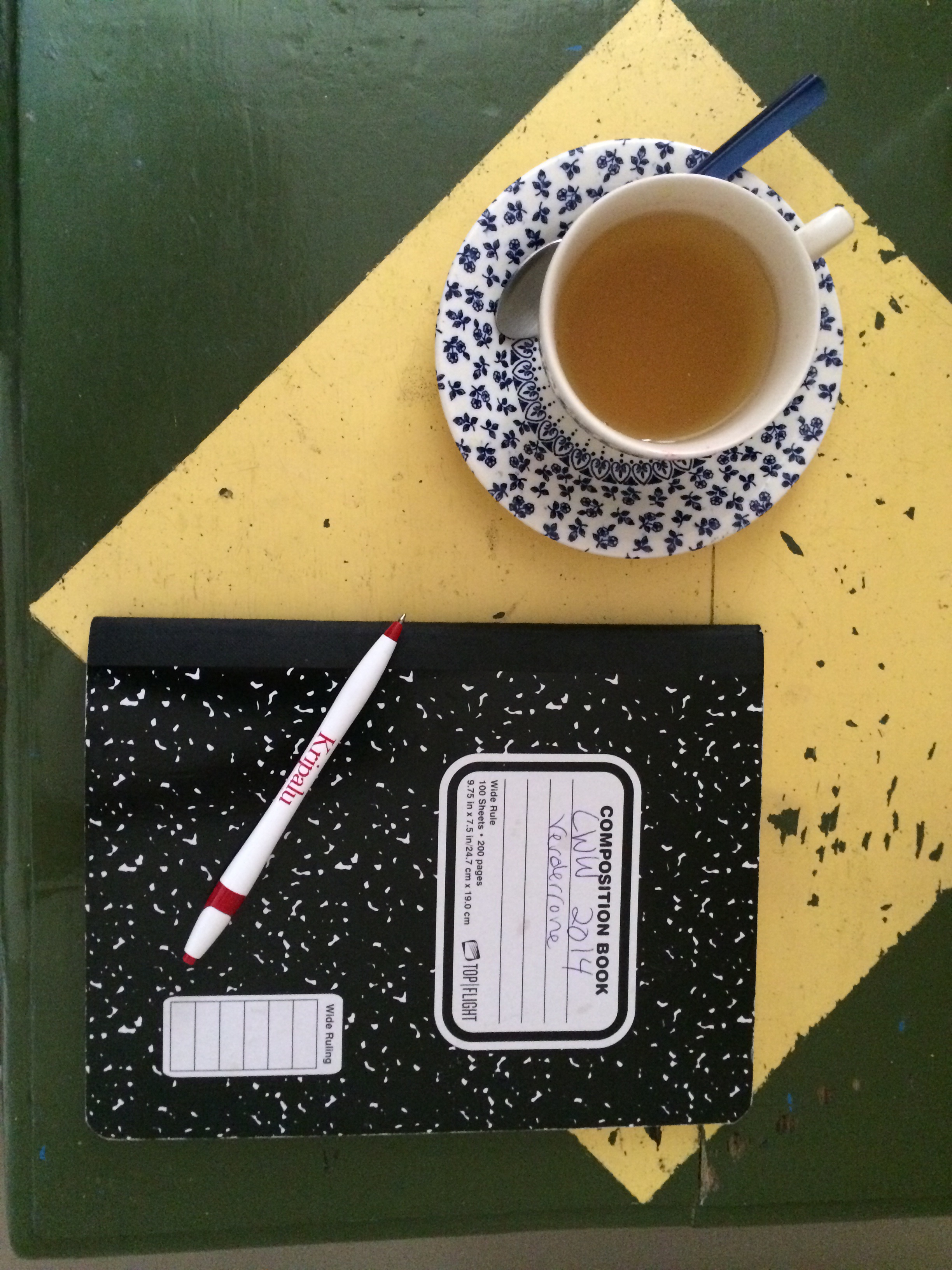
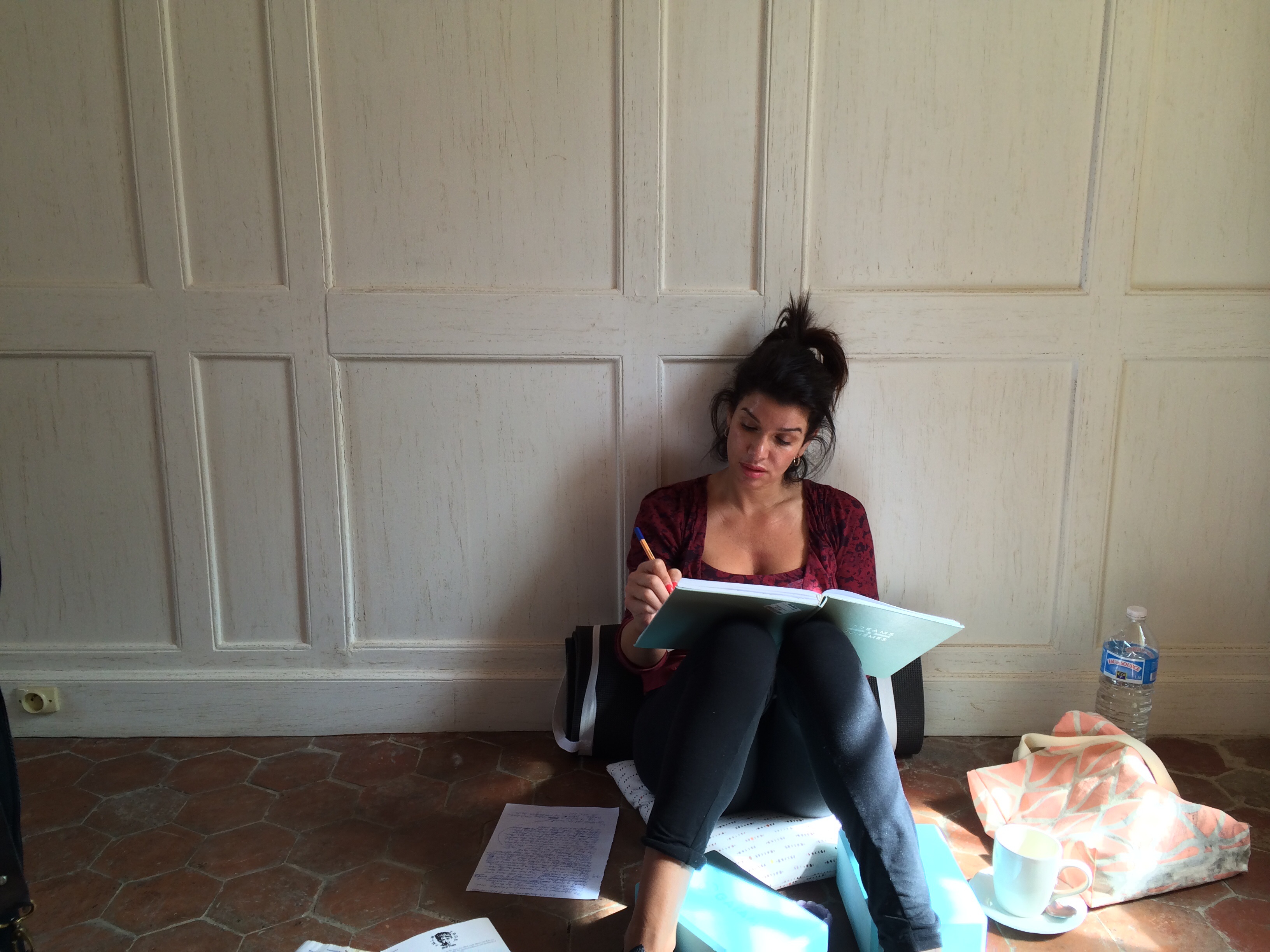
Start the day with journaling and green jasmine tea before morning rejuvenating yoga with Elissa.


image

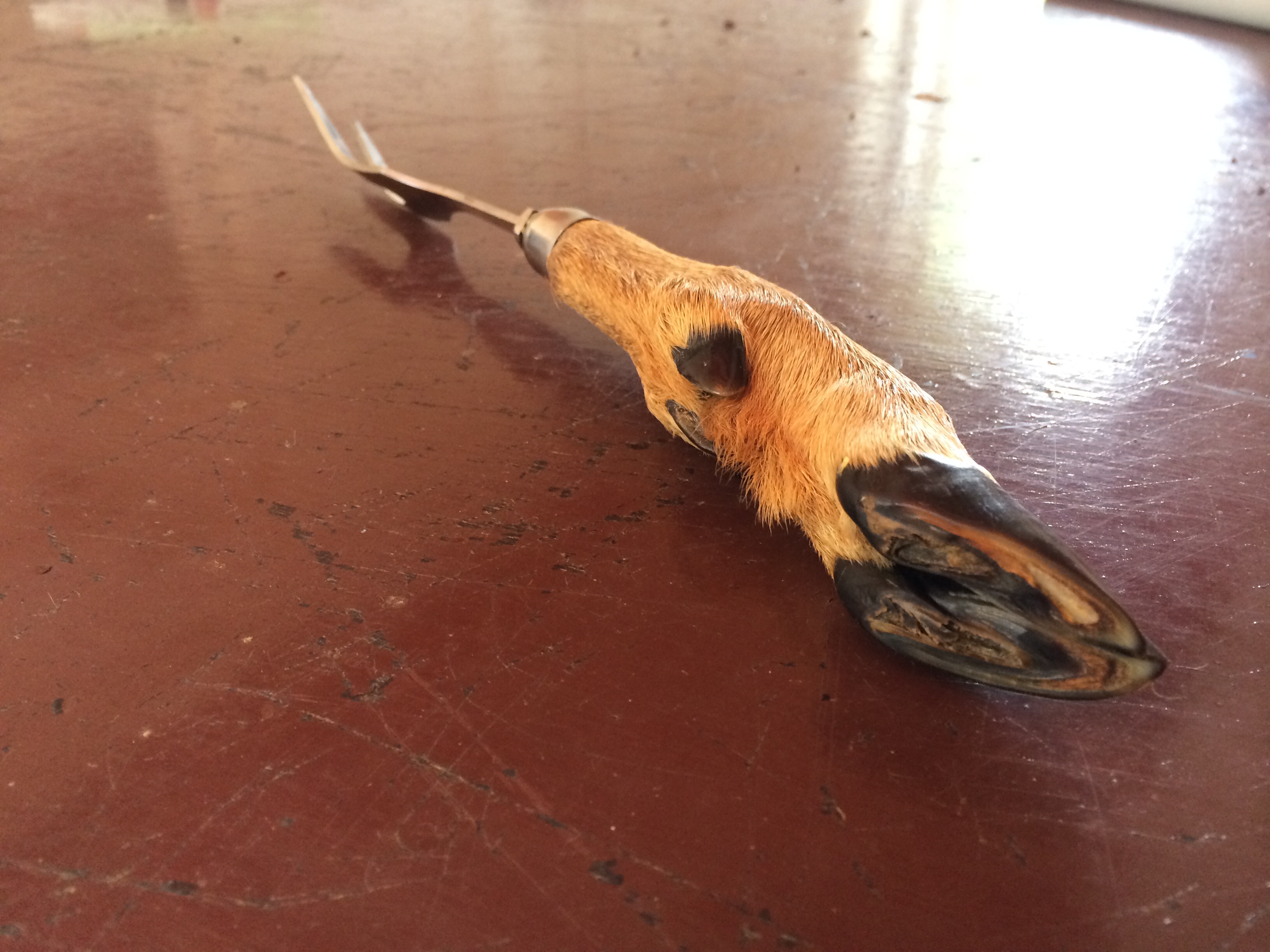
Rita’s mystery object from her “Evocative Object Workshop.”

Rita’s  mystery object from her “Evocative Object Workshop” came with a surprise twist: we’re still not sure what it is. Hoof-fork? One of the many charming (and evocative) mysteries of the Château de Verderonne that inspired our poems, stories, songs, essays, and screenplays.


image

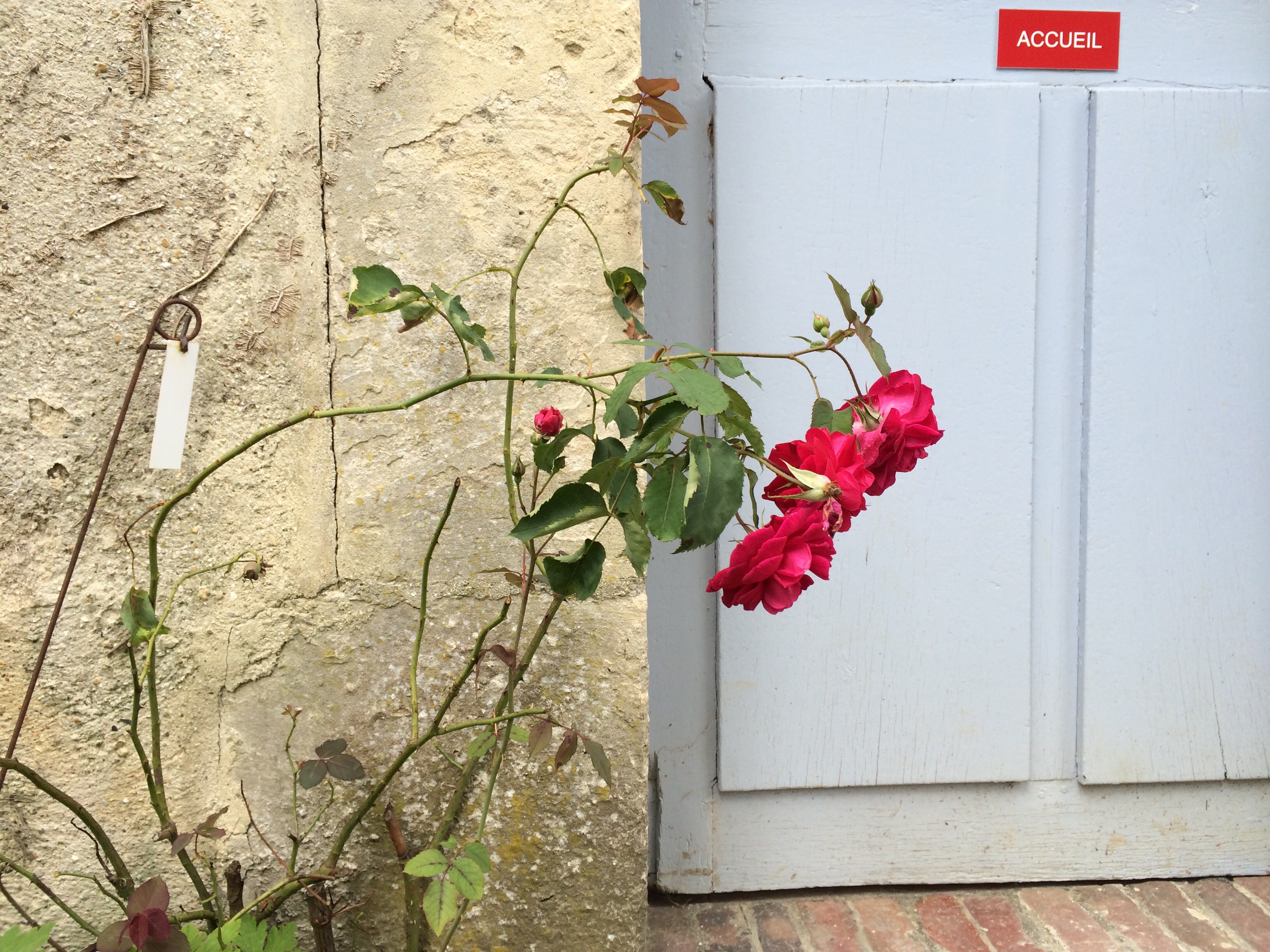
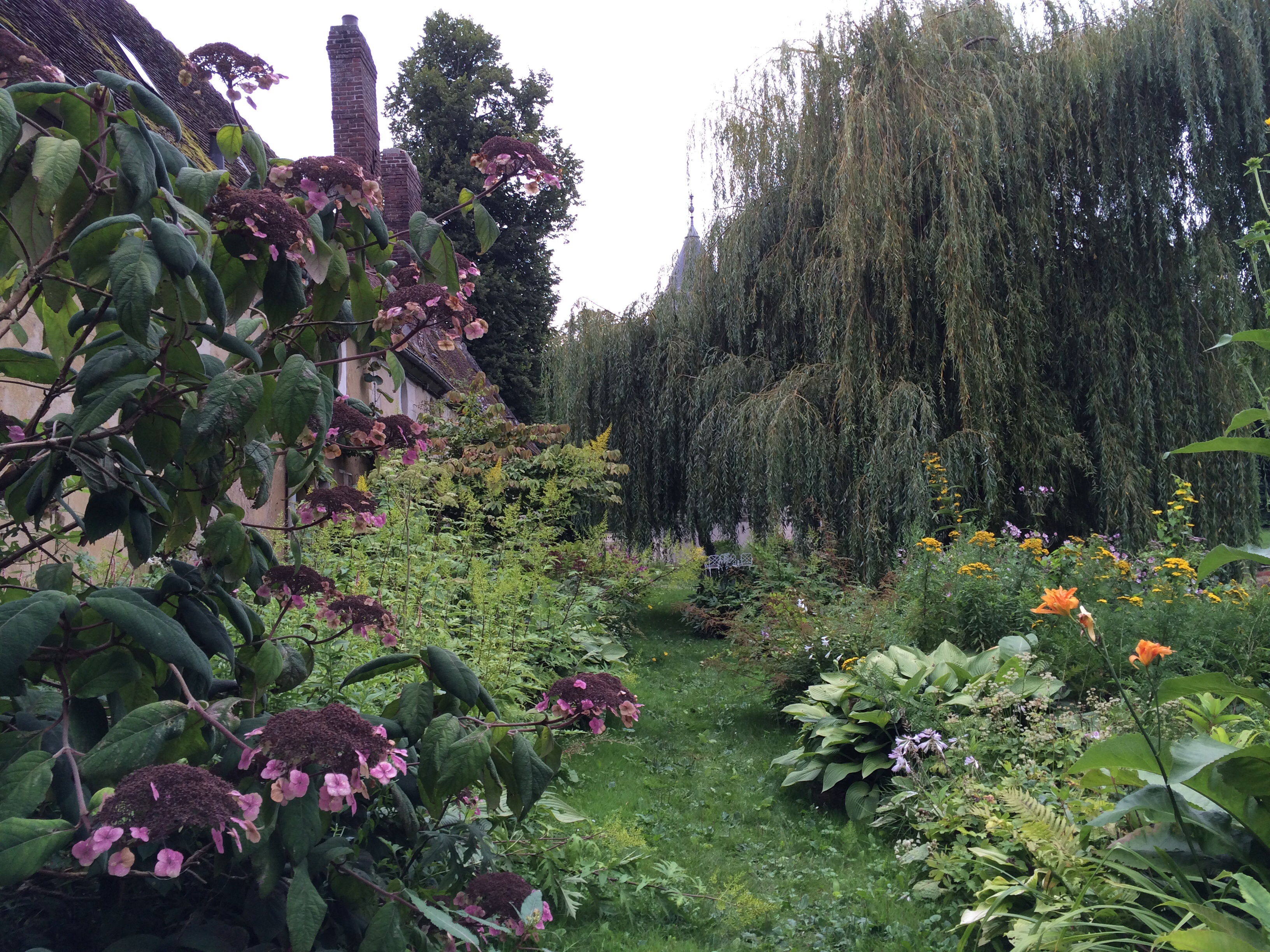
Verderrone, ever-blooming.

A stroll around the gardens helped us choose our own “evocative objects” to write about.

image

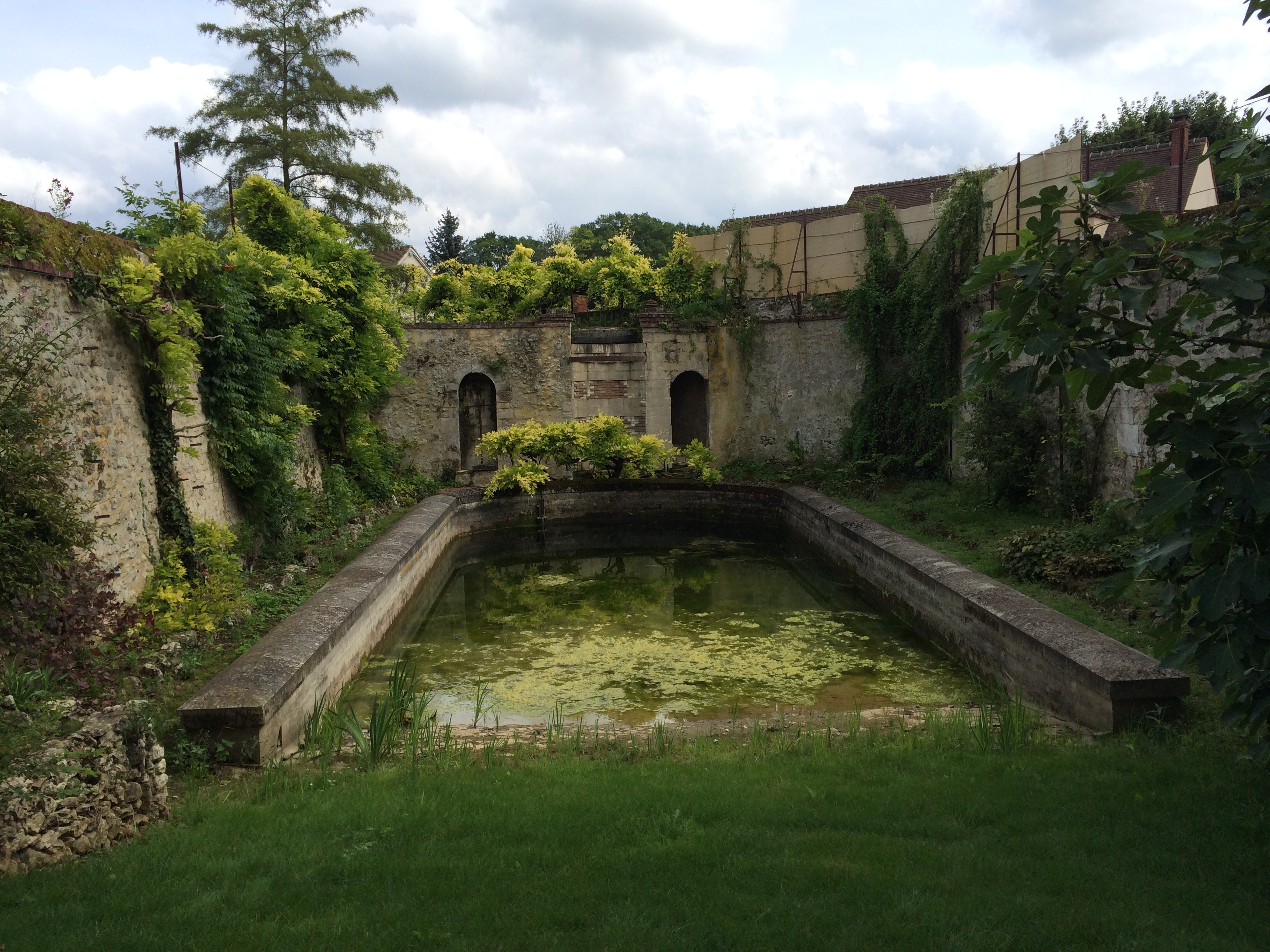
The old horse bath, now teeming with plant life and rustic beauty.


(I chose the old horse bath, now teeming with plant life)

image

A very productive workshop


We really kicked it.

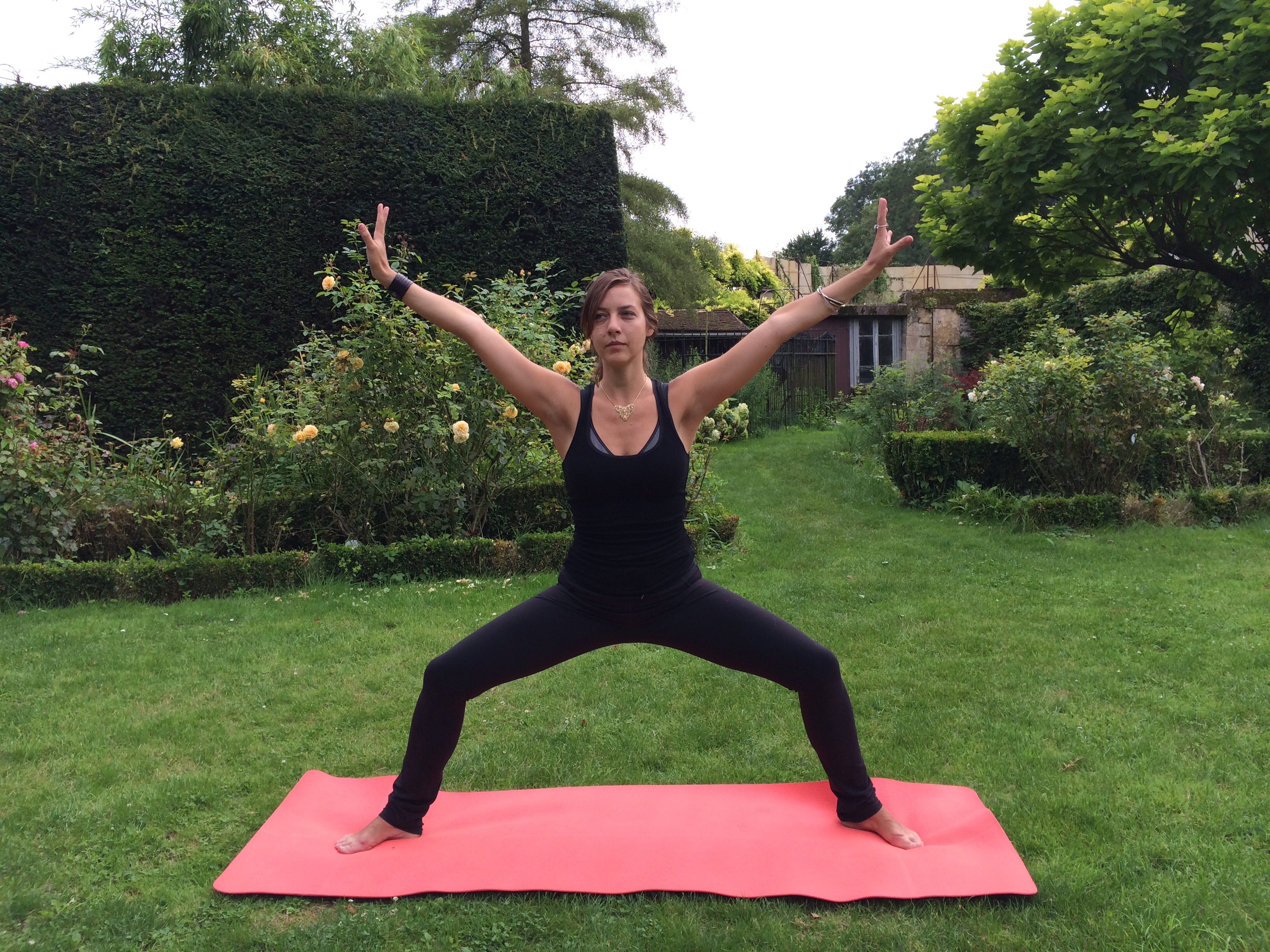
Elissa demonstrating "water fountain"

Elissa demonstrating “water fountain”


Since our morning yoga was energizing and strengthening in the salon, our evening yoga was cooling and relaxing in the garden. After a good day of creating, relaxing yoga was exactly what we needed. After “water fountain” we tried “chasing the moon.”


The gardens

The gardens

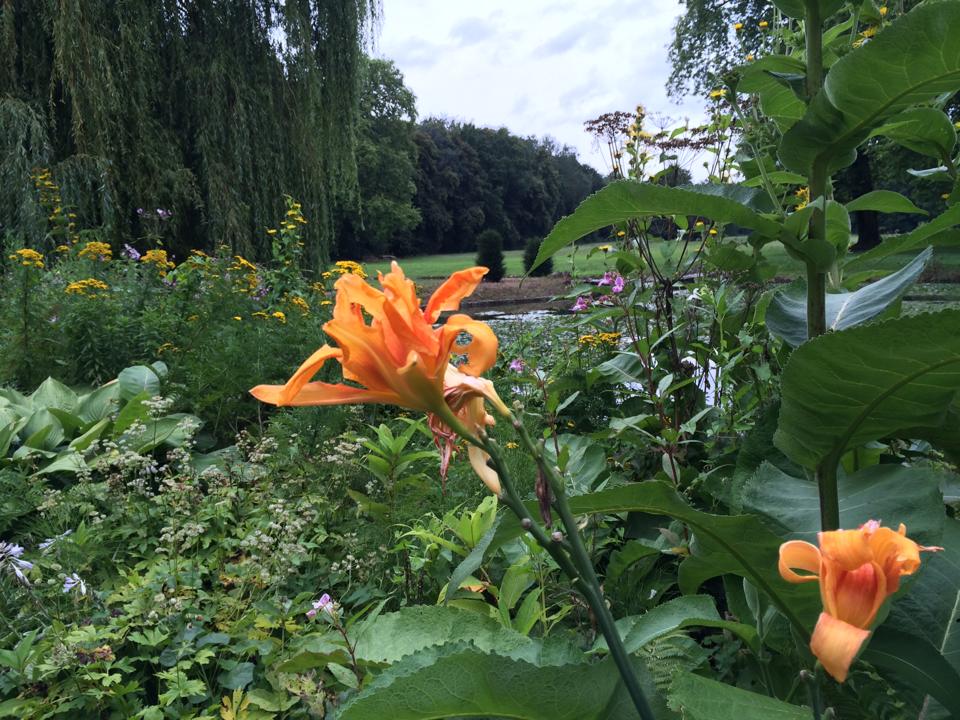
The lilies in the gardens

The lilies in the gardens

Yoga made the walk back through the gardens all the sweeter, especially knowing that dinner (and plum tart for dessert!) would soon be on the table.

In fortune teller mode

In fortune teller mode


And for added inspiration, I’m doing some palm and tarot reading sessions on the side for our wonderful group this summer. Why not look life’s mysteries in the eye?

– Jessica Reidy, CWW Fiction Instructor

August 8 – CWW Classes Begin at the Château de Verderonne

Today was our first full day!  Most of us have just flown in from the USA, the Philippines, England or Germany.  The jet-lag seems to have more or less subsided.  For me, flying into Europe always seems easier than flying out.

Rita lead a terrific writing workshop: Literary taboo and writing contracts.  It’s a great time to set the bar for our writing for the rest of our time here.  We all decided on a realistic writing goal for ourselves.  The idea is that we can check in with our respective writing partners regularly, and they become a reminder of our progress.

Later in the afternoon, we made accordion style journals by folding icy blue paper.  To finish, the journal is tied with a gorgeous ribbon to complete the package.  We used a beautiful variety of ribbons; some hand dyed silk and lots of French-style ribbons in satin and grosgrain.  We all have different ideas on how we will use this journal; for writing stories, recording thoughts, or for watercolor painting. It’s only the beginning!

Victor, our videographer, is also an amazing musician, by the way!  A few writers here are also professional level singers.  Viktor played whatever tune they requested and they set the stage for the rest if us.  We ended up crowded around the table singing.   It was a wonderful way to end the night.

-Elissa Lewis, CWW Yoga Coordinator

August 7 – Bienvenue en France, Mes Amis!

The Cambridge Writers’ Workshop kicked off today.  A two week retreat of writing classes and yoga led by talented teachers in the lush, green countryside town of Verderonne, one hour north of Paris.  Published authors, aspiring novelists, and avid writers have come from other countries just to work on their own literary projects and learn new techniques in word-smithery.

As CWW’s videographer my first order of duty was to pick up participants and escort them back to the Chateau of Verderonne.  Once the last of the participants were picked up from Charles de Gaulle Airport and a quick stop for extra yoga mats, we settled in at the chateau for lunch.  Some participants having traveled more than 6 hours from overseas on a plane took a well deserved nap before orientation to the CWW retreat and the Chateau of Verderonne.

In the afternoon, Rita, Elissa, and I presented the participants with the itinerary for the next two weeks, then everyone met M.  Marié, the propriétaire of the estate of the château.  He gave us a tour of the buildings, beautiful gardens, and calming greenery which we would all inhabit and hopefully being inspired to write about.

As the sun began to set we had dinner and everyone made the rounds, introducing themselves at the table and why they had come.  Each writer had a different reason to join the retreat but what everyone had in common was their love for the written word and desire to sharpen their craft…that and their appreciation of wine,  French wine, mmmmmm ;).  Demain, we begin the craft of writing seminars and workshops, and what better way to start the next day with getting the creative muscles flexing than with a yoga class at 8am.  Namaste.

– Victor Pachas, CWW Multimedia Specialist

Twenty “Gypsy” Women You Should Be Reading by VIDA: Women in Literary Arts including our own Diana Norma Szkoloyai

MathildeVonThieleFor June, Roma and Traveller History Month, Jessica Reidy of VIDA: Women in the Literary Arts, has written a must-read essay, “Twenty ‘Gypsy’ Women You Should be Reading,” featuring the Cambridge Writers’ Workshop Executive Artistic Director, Diana Norma Szokolyai.  In her essay, Reidy writes:

June is Roma and Traveller History Month, which began as an effort to educate people about these culturally rich, diverse, vibrant, oppressed, underrepresented, and misunderstood ethnic groups most commonly referred to as “Gypsies.” Let’s start with the word. Gypsy: the less-accurate term that gadjé (Rromanes for non-Romani people) use to refer to Roma, an ethnic group originating in India around the 11th century. After leaving India, Roma traveled West and were met by hostile, xenophobic Europeans, and so became nomadic due to persecution. Although many Roma are settled today and live all over the world, discrimination, hate crimes, and apartheid are ever-present. Travellers, sometimes known as “Tinkers,” are also traditionally nomadic and historically and presently suffer the same stigma and oppression that Roma suffer; however, they are of Irish ethnic origin and have their own culture and language and tend to live in Ireland and the U.K.

Over time, Gypsy became a racial slur, especially in the lowercase “gypsy,” and antigypsyist language is normalized in many languages. In American-English, for example, antigypsyist slurs are idiomatic (eg: That shopkeeper gypped me!). Racial slurs for Roma and Travellers include “Gypsy,” Gyppo,” “Gyp,” and for Travellers specifically, “Pikey” and “Knacker.” Despite this, Gypsy is often appropriated by gadjé and misused to describe anything occult, whimsical, sexual, or criminal, which both perpetuates harmful stereotypes and insultingly implies that “being Gypsy” is a lifestyle choice or a state of mind or spirit. This is particularly problematic considering the current global Romani and Traveller human rights crisis. However, some Roma and Travellers choose to reclaim Gypsy as an act of linguistic and identity empowerment, whereas some Roma, especially of the older generations (like my grandmother) just prefer Gypsy. If you aren’t Romani or Traveller, use Roma and Romani or Traveller instead of Gypsy or any other slurs, and if you are Romani or Traveller, you’re free to reclaim or shun the word Gypsy as you see fit.
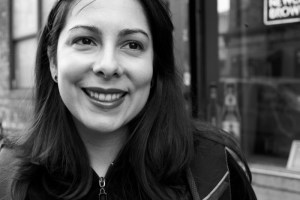
DNSDiana Norma Szokolyai—is a young Hungarian-American writer/performance artist of Hungarian and Romani descent. She is Executive Artistic Director of Cambridge Writers’ Workshop, where she teaches and organizes Writing and Yoga retreats in France for adult writers. Her writing on literary communities was recently the subject of a monthly feature on HER KIND by VIDA: Women in the Literary Arts and Quail Bell Magazine. She author of the poetry collections Parallel Sparrows (honorable mention for Best Poetry Book in the 2014 Paris Book Festival) and Roses in the Snow (first runner-up Best Poetry Book at the 2009 DIY Book Festival). In 2011, The Brooklyn Art House Co-op digitized her handwritten chapbook, Blue Beard Remixed & Poems, written for The Fiction Project. Her writing has also been published in Lyre Lyre, the front page of The Boston Globe, Dr. Hurley’s Snake Oil Cure, Teachers as Writers, Polarity, Up the Staircase, Belltower & the Beach, Human Rights News, and Area Zinc Art Magazine, among others. She has released recordings of audio poetry in collaboration with musicians Dennis Shafer, Sebastian Wesman, David Krebs, Peter James, Howl Quartet, and Project 5 a.m. She also co-curates a poetry-music series, performs in CHAGALL PAC and is an interdisciplinary performance artist with the Brooklyn Soundpainting Ensemble. Her interdisciplinary work has been called “avant-garde” by The Boston Globe. She lives in Brooklyn, NY and was educated at Harvard, UConn, AMI, La Sorbonne Paris III and IV, and in her grandmother’s kitchen in Hungary. Website: http://diananorma.com/; Twitter handle: @DNSWrites

Read Jessica Reidy’s full essay for VIDA: Women in Literary Arts here.
Sign up for Château de Verderonne Summer 2014 Yoga & Writing Retreat by June 15!

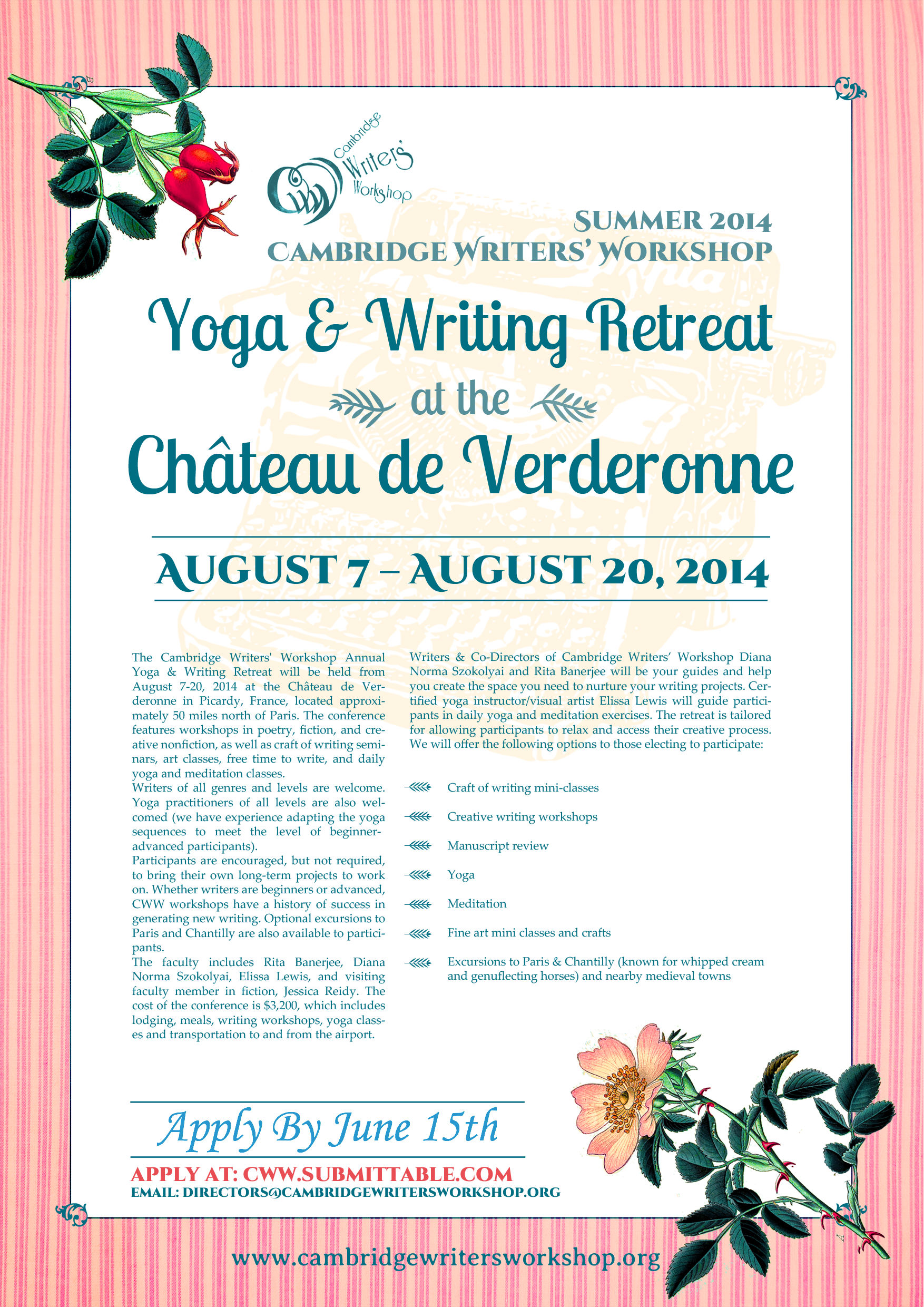
updated verderonne_template2The Cambridge Writers’ Workshop Third Annual Yoga & Writing Retreat will be held from August 7 -20, 2014 at the Château de Verderonne in Picardy, France, located approximately 50 miles north of Paris. The conference features workshops in poetry, fiction, and creative nonfiction, as well as craft of writing seminars, art classes, free time to write, and daily yoga and meditation classes.  Writers of all genres and levels are welcome.  Yoga practitioners of all levels are also welcomed (we have experience adapting the yoga sequences to meet the level of beginner-advanced participants).  Participants are encouraged, but not required, to bring their own long-term projects to work on.  Whether writers are beginners or advanced, CWW workshops have a history of success in generating new writing.  Optional excursions to Paris and Chantilly are also available to participants.  The faculty includes Rita Banerjee, Diana Norma Szokolyai, Elissa Lewis, and Jessica Reidy.  Rolling applications will be accepted until June 15, 2014 at cww.submittable.com

Antonia Alexandra Klimenko feat. at SpokenWord Paris, Smithsonian’s Journal of Contemporary Dada Writing, & at the MoMA

AntoniaPoet & good friend of the Cambridge Writers’ Workshop, Antonia Alexandra Klimenko, was recently featured reader at SpokenWord Paris.  SpokenWord Paris is an Open mic run by David Barnes & Alberto Rigettini, and meets every Monday 8.30pm-12pm at Au Chat Noir, 76 rue Jean-Pierre Timbaud, Paris 75011, France.  The Cambridge Writers’ Workshop was excited to be featured at SpokenWord Paris this past summer during our 2013 Château de Verderonne Yoga & Writing RetreatAntonia’s poem excerpt from “Art isn”t Dead –It’s Stiil Dying” will be archived in the Smithsonian’s Maintenant 8: Journal of Contemporary Dada Writing and Art, which will also will also be archived at New York’s Museum of Modern Art.  Maintenant 8: Journal of Contemporary Dada Writing and Art (ed. Peter Carlaftes and Kat Georges) is a stunning collection of poetry and art, and Antonia is both honored and delighted to find herself in the company of Allen Ginsberg, William S. Burroughs, Jerome Rothenberg, Steve Dalachinsky and others such as Jan Michael Alejandro, Fork Burke, Phillip Meersman, and Joel Allegretti.

Bach’s Inventions + Poetry feat. Diana Norma Szokolyai, Tara Skurtu, Nicole Terez Dutton, Dennis Shafer, & Kathleen Spivack

Bach-GoesPopChagallPAC presents:
BACH’S INVENTIONS + POETRY
Saturday May 3, 2014 * 8pm *  $5/10

OUTPOST 186
186.5 Hampshire Street
Inman Square, Cambridge, MA
[ Central Square T-Stop ]

Join us for a night of poetry and beautiful musical interludes from Bach’s Inventions.  The interplay between baroque music and poetic voices will set you soaring.  Featured poets include CWW Executive Artistic Director Diana Norma Szokolyai, CWW Board Member Kathleen Spivack, and former CWW Board Member Tara Skurtu along with poet Nicole Terez Dutton.  Featured musicians include Brian Abbot on guitar, Jon Amon on sax, Tim Pence on guitar, Dennis Shafer on sax, Alec Watson on piano, and Jobey Wilson on tuba.  This event is featured in The Boston Globe and Tara Skurtu’s poetry is featured on WBUR.


CWW’s Diana Norma Szokolyai Gives Poetry Reading in Woodstock, NY

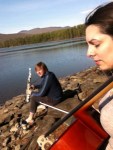
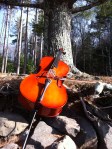
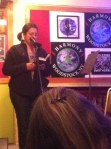
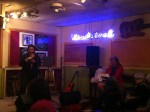
Last Monday, Cambridge Writers’ Workshop’s Executive Artistic Director, Diana Norma Szokolyai read alongside many seasoned poets at the Harmony Café in Woodstock, NY.  After a short picnic and musical session by the side of the beautiful Cooper Lake, saxophonist Dennis Shafer and Diana Norma went into Woodstock and really enjoyed the night of poetry.  Among the luminaries were Donald Lev and beat poet Andy Clausen, a friend of Gregory Corso and Allen Ginsberg.  Here are some photos and a video of Diana Norma’s dual language poem, Hullám/Wave.

Watch a Video of the Hullám/Wave performance on YouTube:
Reading at Harmony, Café, Woodstock, NYHarmony Café Poetry Reading in Woodstock, NY

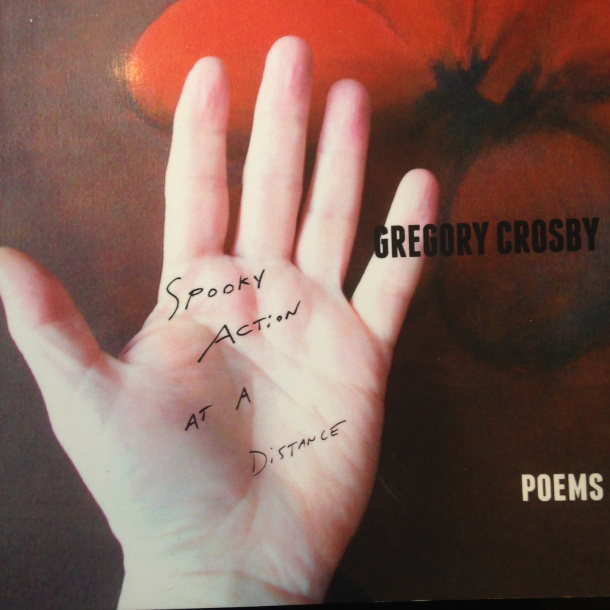
New Release: Spooky Action at a Distance by Gregory Crosby, CWW Board Member

GregoryCrosby

Congratulations to our very own Executive Board member, Gregory Crosby, for his haunting and beautiful new poetry collection, Spooky Action at a Distance.  Gregory Crosby’s poems have appeared in Court Green, Epiphany, Copper Nickel, Leveler, Ping Pong & Rattle, among others. He is co-curator of the long- running EARSHOT reading series and is co-editor, with Jillian Brall, of the online poetry journal Lyre Lyre.  He has served as a host and panelist for several Cambridge Writers’ Workshop events, including 2012 & 2013 Brooklyn Lit Crawl, the 2012 Mass Poetry Festival, and  our live radio shows.

The lines often whisper back to me while I’m at work or riding the subway home, literally haunting me. The collection begins with the line: “I was full, I was desperate.” Automatically, the reader is set up to want more, to crave words like sugar. The speaker in the first poem almost seems bodiless–the observations are omniscient: “I watched my brain cells expire,/wondering who would brush my hair/while I slept”.

Playing with sound would be an understatement; Gregory builds sonic landscapes the size of oceans. In his poem A Fathom: “I become clear when I slip through fingers/& linger in tears. I see you have a conch/held at one ear. I suppose you want mystery,/a mermaid, murmuring, The sea, the sea!” Rhyme has gone in and out of fashion in the poetry world; right now, rhyme isn’t exactly popular, but Gregory crafts it coolly, seamlessly into the lines.

What I truly adore about this collection is careful use of technology and pop culture; all too often, poets have a heavy hand in trying to appear relevant, cool, or ironic. Infusing modern technology into verse is essential to poetry, if we are ever to write a true line. We live in a world dictated by pop culture, media, and technological advances–how can we ignore it? Poetry is not an archaic art, it is merely a tool for us to understand the environment around us, and Gregory does this with tact and intelligence. – Joanna C. Valente

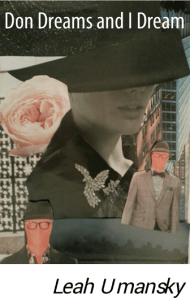
New Release: Don Dreams and I Dream by Leah Umansky

DonDreamsInspired by the hit-series Mad Men, Leah Umansky, has created a wonderful selection of poems which explore themes of love, lust, betrayal, and ambiguity in her second poetry collection, Don Dreams and I Dream.  Leah debuted some of the poems from Don Dreams and I Dream at the Cambridge Writers’ Workshop A Night at the Victrola Reading in Seattle!  Leah Umansky contributing writer to Tin House,  Luna Luna Magazine, BOMB Magazine’s BOMBLOG , and The Rumpus, and curator of The Couplet Reading series in New York.

Don Dreams and I Dream is compulsively readable, but it is far from a light collection of poems. Most hold the weight of women’s struggles for recognition as human beings over much of the past century. The poems are at once political and confessional, feisty and giddy, aggressive and playfully submissive. The poems are nothing if not sexy, and sensuality is key to their power—just as it is, in large part, the key to Don’s. -Amy Silbergeld