Our Summer in Barcelona & Granada Nonfiction Faculty David Shields feat. on PBS / KCTS 9 for War is Beautiful

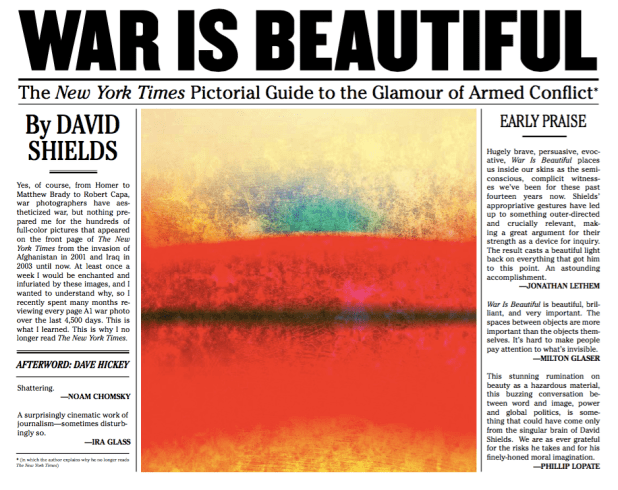
WarisBeautifulYes, of course, from Homer to Mathew Brady to Robert Capa, war photographers have aestheticized war, but nothing prepared me for the hundreds of full-color pictures that appeared on the front page of The New York Times from the invasion of Afghanistan in 2001 and Iraq in 2003 until now. At least once a week I would be enchanted and infuriated by these images, and I wanted to understand why, so I recently spent many months reviewing every page A1 war photo over the last 4,500 days. This is what I learned. This is why I no longer read The New York Times.” David Shields, War is Beautiful

In an interview with PBS/KCTS 9, Shields, a former “life-long subscriber of The New York Times,” discussed his motivation for writing War is Beautiful: “As the Homeland Security slogan goes, ‘If you see something, say something.’ I felt like I was seeing something and I felt compelled as a democratic citizen to say something.”

In War is Beautiful: The New York Times Pictorial Guide to the Glamour of Armed Conflict, bestseller David Shields critiques over a decade of “extraordinarily beautiful and. . .little war-like” war images.  The book contains 64 full-color photographs featured on the cover of the Times between 2001 and 2013.  During the interview, Shields states, “The book is meant to be problematically beautiful. I mean to ask of myself and my fellow citizens and fellow readers how much beauty are we prepared to swallow in the name of glorifying war.”  Watch the interview in its entirety visit PBS/KCTS 9.

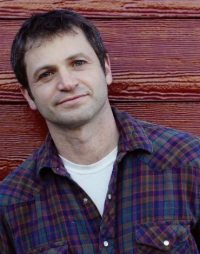
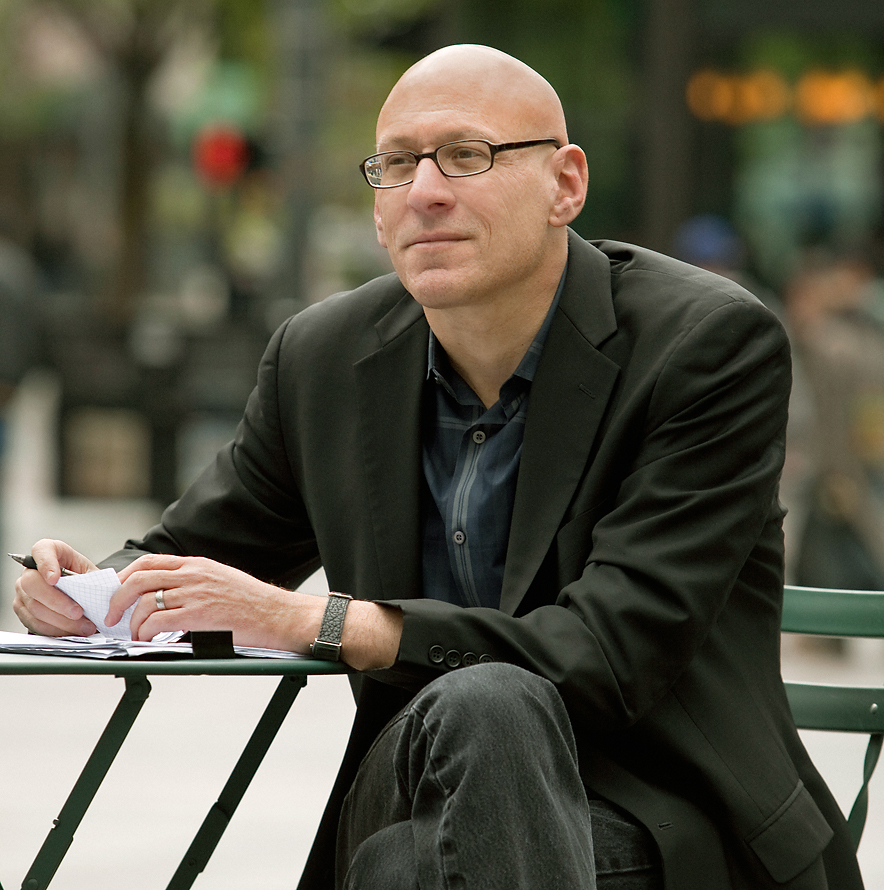
Author photo of David Shields, 2012.David Shields is the internationally bestselling author of twenty books, including Reality Hunger (named one of the best books of 2010 by more than thirty publications), The Thing About Life Is That One Day You’ll Be Dead (New York Times bestseller), and Black Planet (finalist for the National Book Critics Circle Award). Forthcoming from Knopf in February 2017 is Other People: Takes & Mistakes. The recipient of Guggenheim and NEA fellowships, Shields has published essays and stories in the New York Times Magazine, Harper’s, Esquire, Yale Review, Village Voice, Salon, Slate, McSweeney’s, and Believer. His work has been translated into twenty languages.  He is teaching at the Cambridge Writers’ Workshop Summer in Barcelona and South of France (July 18-26, 2016) and Summer in Granada (July 28 – August 5, 2016) Writing Retreats.


Cambridge Writers’ Workshop Writing Retreats featured in Poets & Writers Magazine

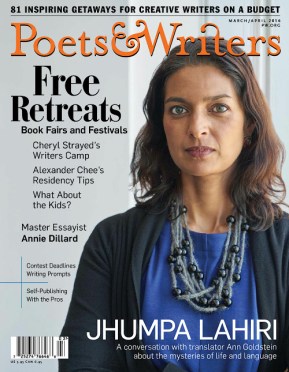
1455965954_poets-writers-march-april-2016-1The Cambridge Writers’ Workshop was featured in the March/April 2016 edition of Poets & Writers magazine! The retreats were published under the Conferences & Residencies section of the magazine in the Poets & Writers 2016 Guide to Stress-Free Writers Retreats. The CWW is honored to be a part of the 2016 guide.

The feature included three of our 2016 retreats: Spring in Newport, Rhode Island Writing & Yoga Retreat (April 22-24, 2016), Summer in Barcelona & South of France Writing Retreat (July 18 – July 26, 2016), and Summer in Granada Writing Retreat (July 28 – August 5, 2016).  The retreats offer the opportunity for writers of all genres and levels to work alongside award-winning authors & editors to hone their craft and expand their writing skills, while working on new or existing projects.

Faculty includes Bret Anthony Johnston (Barcelona & Narbonne), David Shields (Barcelona & Narbonne, Granada), Alexander Chee (Granada), Jade Sylvan (Newport), Rita Banerjee (Barcelona & Narbonne, Granada), and Diana Norma Szokolyai (Barcelona & Narbonne, Granada, Newport).

If you’d like to join us, please apply online at cww.submittable.com by March 15, 2016, and include a $5 application screening fee, along with a writing sample of either five pages of poetry or ten pages of prose. (Due to limited seats, early applications are encouraged, but check for rolling admission after deadline, depending on availability).

Cambridge Writers’ Workshop takes on AWP 2016 LA!

AWP2016Poster2

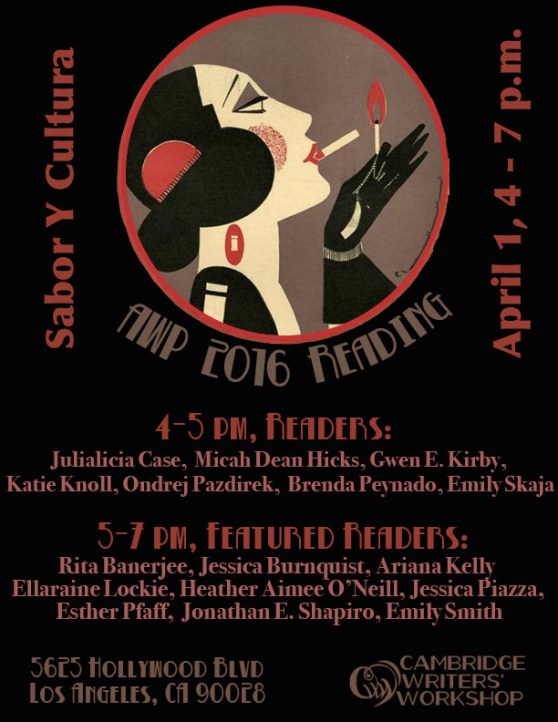
AWP16LAThe Cambridge Writers’ Workshop is coming to Los Angeles for the AWP Conference (March 30 – April 2, 2016)!! We’ve got some exciting plans for AWP, so anyone who is in Los Angeles for AWP should come see us.  Last year’s AWP  was a success with our bookfair table and reading at Boneshaker Books.

This year, you’ll be able to find us at Table 1157 and find information regarding our upcoming Spring in Newport, Rhode Island (April 22-25, 2016) Summer in Narbonne & Barcelona (July 18-26, 2016), and Summer in Granada, Spain (July  28-August 5, 2016) Writing Retreats. We’ll have updates on CREDO and information for those who want to become a member of the CWW or apply for internships.  We’ll also be hosting our AWP Reading: Cambridge Writers’ Workshop takes on Los Angeles! at Sabor y Cultura (located at 5625 Hollywood BlvdLos Angeles, CA 90028) on Friday, April 1, 2016 from 4-7 pm.  Our featured writers include Rita Banerjee, Jessica BurnquistJulialicia Case,  Micah Dean HicksAriana Kelly, Gwen E. KerbyKatie KnollEllaraine LockieHeather Aimee O’Neill,  Ondrej PazdirekBrenda Peynado, Esther Pfaff, Jessica PiazzaJonathan ShapiroEmily Smith, and Emily Skaja.

We hope to see you there!

Robin Lindley interviews David Shields on the New York Times Glamorization of War

WarisBeautiful

Bestselling author and our featured nonfiction faculty David Shields argues in his new book, War is Beautiful: The New York Times Pictorial Guide to the Glamour of Armed Conflict (Power House Books), that The New York Times glamorized acts of war by using images that softened the terror of battle. The book grew out of Shields’ concern with the paper’s compelling front-page war photos. To better understand how the Times portrayed war, he analyzed thousands of front-page photographs, and particularly full-color photos since 2001 of the wars in Afghanistan and Iraq. David Shields discusses this process and topic in the following excerpt of his interview with History News Network Features Editor Robin Lindley. 

David Shields will teach during our Summer in Barcelona & South of France Writing Retreat (July 18 – 26, 2016) and during our Summer in Granada Writing Retreat (July 28 – August 5, 2016). To apply, visit cww.submittable.com by March 15, 2016.

Robin Lindley: You make a case that The New York Times is complicit with power, particularly with the wars in the Middle East. You compare some of the photos you feature to recruiting posters. How is the Times’ relationship with power revealed in its history?

David Shields: That’s a complicated argument, but I ask what is the Times doing here, and what is the context of that? A good book about the history of the Times is called The Trust, and I quote the coauthors throughout the book.

The Times was founded in 1851 by a German-Jewish family. Anti-Semitism in the U.S., which was much more virulent than it is now, was visited against The New York Times, and it was accused of being “too Jewish” a newspaper.

There’s a strong argument to be made that the Times during the Holocaust, under this German-Jewish family, deliberately underreported the full extent of the atrocities. Afterward, the Times was properly criticized for underreporting those crimes against humanity.

My argument is that the Times has wildly overcorrected. The Times always wants to be at the dead center of American culture—to be complicit with American power and American government and to be always at the center of the conversation. That’s the Times’ brand.

With only a very few exceptions, the Times has rather aggressively supported every American military misadventure since World War II, to the point of having their editorial columnists like James Reston advising John F. Kennedy and at the same time editorializing in favor of the man who he was advising. This continued with Thomas Friedman who still advises Obama. And there was William Safire who advised Bush and editorialized in favor of Bush and Reagan.

So the point is that the Times underreported the Holocaust and was widely criticized for hugely failing in that coverage. Over the last 70 years, the Times has taken a rather bellicose, American masculine, militaristic posture toward war. It supported the Korean War, to a large extent the Vietnam War, and the Afghanistan and Iraq wars. LBJ said, “I can’t win this war without the support of The New York Times.” Only very late in the Vietnam War did the Times join people like Walter Cronkite and express some skepticism.

That provides a socio-historical contextfor why the Times, founded by German Jews and being the victim of a lot of anti-Semitism from say 1850 to 1950, then overcorrected after World War II, and ever since has made sure it does not stray from a complicit bargain with the powers that be. For example,they’ll bury an article on page 27 that may have a slightly negative information about the war, but that front page, A1 photo, has huge power and sets the entire argument that the war is a sacrifice worth making, that the war is noble and dignified, and in a way a beautiful cultural enterprise.

I don’t know how conscious all of this is, but it seems almost a willful visual gesture that sends an unmistakable message to the powers that be and the culture as a whole that the war is a worthy sacrifice.

Robin Lindley: Stephen Colbert called the press, like Times’ reporter Judith Miller, “stenographers” for Bush and Cheney at a White House gala.

David Shields: That’s a point I try to make in the book. The reporting of [Times’ reporter] John F. Burns was disastrously credulous on the Iraq invasion, and with Judith Miller, he carried water for Bush-Cheney. These pictures are the visual equivalent.

My beef is less with the photographers and far more with the photo editors and page A1 editor. Photographers have told me off-the-record that they’re sending hundreds if not thousands of photos every week to the Times and every other institution. These pictures are criticized often for being “too violent,” of all things. Most people know that war is violent. Or pictures may be seen as “in bad taste.” But, as Picasso said, “the enemy of great art is good taste.” What I try to point out is how ludicrously tasteful these pictures are. It’s as if they’re covering war through a thick film of Vaseline—there’s very little war here.

I think some of the photographers are struck by how predictable it is that their less revelatory pictures and their more blandly compositionally beautiful pictures are the photos that get chosen, rather than the photos that more faithfully document the actual horror of war. It seems the Times is looking for pictures that aestheticize war rather that those that show what war is like.

Robin Lindley: I’ve interviewed some combat photojournalists, such as Michael Kamber, who edited an anthology of Iraq War photos called Photojournalists on War, and Peter van Agtmael on Disco Night 9/11, his book of photos on the Middle East wars abroad and at home. They both noted that photographers were frustrated by censorship at both ends—by the military abroad and by editors at home who seem to want to shield readers from the human reality of modern war.

David Shields: Exactly. I’ve been doing readings of the book around the country, and quite a few veterans and photographers come up to me and express gratitude for the book, and say the idea that these pictures say anything about war is so ludicrous, and it’s important to point out what an absolute horror storm war is. Some of them show me photos on their phones or physical photographs.

General Sherman said, “War is Hell,” and it would be good if these pictures pointed that out. The underlying message of the photos that the Times ran is that war is a very pretty and very distant event. There’s no hell here; just a mild heck. That seems to me worth pointing out because who knows when the next run up to the next war is, and who knows what country the U.S. will invade.

It would be good if we knew by what process we get sold the next war. One of the many ways war gets sold is in prominent magazines and newspapers. The New York Times disseminates a certain image and it really matters—unlike USA Today, the Wall Street Journal, or Fox News—because the Times is understood as being in the center or center-left, and the Times carries important cultural symbolism so it seems an important task to pull out these images from the so-called “Paper of Record” that is sending out unmistakably flag-waving, cheer-leading, pro-war messages through these pictures.

You mentioned censorship. A crucial part of the censorship and self-censorship is the military’s brilliant, Machiavellian move to embed and keep journalists and photojournalists from direct battle and to get the agreement of the media to, for example, not show pictures of caskets coming back from war.

These [policies] have created censorship as well as self-censorship for journalists and photojournalists sending material back home. They don’t have access to stories or situations that are terribly revelatory.

Robin Lindley: The Times seemed particularly reluctant to show images of wounded or dead American troops, whereas such images of Iraqis or Afghanis have been run. That reluctance may be an issue in every war. In World War II, Life magazine didn’t show images of dead Americans until 1943, with a photo of dead soldiers on a beach in New Guinea. And more recently, a Seattle photographer was officially reprimanded for photographing flag-draped coffins of American dead from Iraq.

David Shields: It’s a military policy I guess not to allow the media to show caskets coming back from war. And you have the embedding of journalists and photojournalists, and then you get the censorship. And then the Times is working overtime to access the highest levels of government and to deepen its brand as a quasi-Paper of Record.

Adding up all of these things, there’s almost nothing left. There’s no war there. There’s no attempt to document reality. It’s basically the war as screen saver, as wallpaper—a very distant aesthetic experience. Certainly, part of that is not to show the American dead except in a posture of composed relief. It seems the grief is kept out of frame in any true sense of agony or viscera or blood.

Some people criticize media outlets for showing gruesome images, and then there’s the Times at the other end in which there is a highly aestheticized and “dignified” war that is fought. It’s not that I have it all figured out or have found a newspaper or magazine that has embodied a perfect duration of these photographs. Certainly, after the Paris attacks, the BBC website and the Daily Telegraph of the U.K. showed more direct images. A Danish blogger also showed strikingly more revealing images than the Times with its self-periodically and comically glamorizing photos of Paris post-bombing.

In the book, the last few images are of a dead Iraqi soldiers left behind.

I think what’s so insidious is that it’s not as if the Times is overtly disseminating the most obvious propaganda by only showing dead soldiers of the enemy. The Times is much more subtle, and that bears mentioning. These pictures are not overt propaganda, as you might have seen in World War II, but I argue they are a not too oblique propaganda with the beautifying, sanctifying photographs.

Robin Lindley: Do you believe your book may prompt a change in how the Times and other publications decide on the images of war to carry—photos that capture the human consequences of war?

David Shields: That would be interesting. I saw the book as a long letter to the editor. I don’t read the Times anymore. I had read it for more than 40 years.

I ask that the Times think about the kind of power it has. It’s not what it had 30 or 40 years ago, or even ten years ago, but it has a certain power. So on some level this is an attempt to urge the Times to rethink its role, and to urge other similar newspapers and magazines to rethink their roles. I urge them also to depend less on complicit institutional journalism and more on independent thinkers and journalists and authors who are not beholden to institutional powers.

Read the full interview on History News Network here.

Robin Lindley is a Seattle-based writer and attorney, and the features editor of the History News Network (hnn.us). His articles have appeared in HNN, Crosscut, Salon, Real Change, Documentary, Writer’s Chronicle, and others. He has a special interest in the history of conflict and human rights. His email: robinlindley@gmail.com.

David Shields is the internationally bestselling author of twenty books, including Reality Hunger (named one of the best books of 2010 by more than thirty publications), The Thing About Life Is That One Day You’ll Be Dead (New York Times bestseller), and Black Planet (finalist for the National Book Critics Circle Award). Forthcoming from Knopf in February 2017 is Other People: Takes & Mistakes. The recipient of Guggenheim and NEA fellowships, Shields has published essays and stories in the New York Times Magazine, Harper’s, Esquire, Yale Review, Village Voice, Salon, Slate, McSweeney’s, and Believer. His work has been translated into twenty languages.  He is teaching at the Cambridge Writers’ Workshop Summer in Barcelona and South of France (July 18-26, 2016) and Summer in Granada (July 28 – August 5, 2016) Writing Retreats.
Recommended Reading: Celebrating the LGBT+ Community in Literature

In honor of the US Supreme Court’s decision on June 26 to legalize same-sex marriage in all 50 states, here are a few literary works that celebrate the lesbian, gay, bisexual, and transgender community. – Emily Smith, Curator

“Brokeback Mountain” appears as a short story in Annie Proulx’s Close Range: Wyoming Stories. It follows the sexual tension between two ranch hands, Ennis del Mar and Jack Twist, as they care for sheep at a seasonal grazing range. The two finally share an intense night in an isolated tent on the range, then carry on with their lives. Despite both marrying women and starting families, Ennis and Jack sporadically reunite over the course of twenty years. Reflecting on the story, Proulx mused that it explores the difference between who people think they are and what befalls them.


The fairy tale of Peter Pan is retold in Sassafras Lowrey’s Lost Boi – a world in which the orphaned, abandoned and runaways find common ground. Most importantly, the lost bois are trans* kids who were abandoned by their parents or by the failed social services system. In this retelling, Peter Pan is the savior of transgender children. Lowrey, a transgender author, has noted that the story works as part of the transgender civil rights movement in reclaiming mainstream and cultural touchstones.


In Nancy Garden’s controversial novel Annie on My Mind, Annie and Liza meet during a rainy day at the Metropolitan Museum of Art and instantly become friends. Though Liza goes to a private school in an upscale neighborhood and Annie attends a public school “far uptown,” the two grow close and eventually fall in love. Because the book was written for young adults and many copies reside in public school libraries, it is often criticized by parents. During one incident, copies of the book were actually burned; however, the novel is so popular that’s it’s never been out of print.


The Hours, a novel by Michael Cunningham, explores the lives of three different women in three different time periods who are affected by Virginia Woolf’s Mrs. Dalloway. The first is Woolf herself, the second is a closeted housewife reading Mrs. Dalloway in 1949, and the third is socialite and bisexual Clarissa Vaughan who plans a summer party in 2001. The story structure mimics Woolf’s famous stream-of-consciousness style in that the narratives of each woman often flow into each other in unpredictable ways.


Nightwood is a Modernist novel by Djuna Barnes and one of the first to ever explicitly portray gay sex. The story follows Robin Vote and the characters that fall in love with her: her husband Baron Felix Volkbein, as well as her lovers Nora Flood and Jenny Petherbridge. It becomes increasingly obvious throughout the novel that Robin will never settle down, instead radically favoring polyamory. Many of the characters often seek out advice from Matthew O’Connor, a transgender medical student who acts as more of a spiritual doctor than a physical one.


Truman Capote’s Other Voices, Other Rooms is a Southern Gothic that follows the life of Joel Harrison Knox and his experience on an isolated Mississippi plantation. Joel struggles to come to terms with his sexual identity, but finds acceptance to be a liberation and not a surrender.

In 1970, Audre Lorde published Cables to Rage, which featured one of her most famous poems: “Martha.” The poem detailed Lorde’s experience coming out as a lesbian and the recovery of a former lover following a car crash. In the poem, Martha’s family arrives and the narrator sends them away, since both women have sacrificed their traditional family lives to have a relationship with each other. The poem also appeared in Coal.

One of Gertrude Stein’s most notable works on sexuality is “Lifting Belly,” which originally appeared in Bee Time Vine and again in The Yale Gertrude Stein. The substantial poem was heralded as a “lesbian classic” and a gift to women who love women. The poem is most notable for its unabashed approach to lesbian eroticism; however, much of the poem consists merely of dialogue between two women.

Giovanni’s Room focuses on the life of an American man in Paris, especially his relationship with an Italian bartender named Giovanni who works at a gay bar. The tragedy, written by James Baldwin, is remembered by the narrator on the day that Giovanni is executed in France. The novel is often lauded for its complex examination of gay and bisexual men; Baldwin himself was an inspiring gay rights figure, since he was considered the leading literary voice of the civil rights movement.

The Dream of a Common Language is a collection of poetry written by poet and activist Adrienne Rich. The book was published in 1976 following Rich’s announcement that she identified as a lesbian; the second section, “Twenty One Love Poems,” addresses love between two women and the cultural need to recognize that love as valid. Rich’s poems also discuss the alienation and disintegration of lesbian relationships in a social climate that regards them as shameful.

The Munich Readery Presents “An Evening with Peter Orner” – June 30, 2015 * 8 – 9 pm

peter-ornerAn Evening with Peter Orner
Moderated by Rita Banerjee
The Munich Readery * 8 – 9 pm
Augustenstr. 104, Munich, Germany

The Munich Readery is proud to host Guggenheim fellow and American fiction writer, Peter Orner on Tuesday June 30 for “An Evening with Peter Orner.”  Orner be reading from the novel Love and Shame and Love as well as from the story collection, Last Car Over the Sagamore Bridge.  “I am very happy about coming back to Munich, a city I’ve always admired for its sense of calm, its architecture, food, and kind people. It’s a city I also love to wander around in and have been happily lost on its streets a number of times….” – Peter Orner

Peter Orner is an American writer and the author of four books of fiction. His first book, Esther Stories was a Finalist for the Pen Hemingway Award and Winner of the Rome Prize from the American Academy of Arts and Letters, and has been recently re-issued with a new introduction by Marilynne Robinson. His novel, The Second Coming of Mavala Shikongo, set in Namibia, has been translated widely, including in German by Hanser. Love and Shame and Love, Orner’s second novel, has also recently been published in German by Hanser. Orner’s most recent book, a collection of stories, Last Car Over the Sagamore Bridge was named a New York Times Editor’s Choice Book last year. Orner has also published two books of non-fiction, a book on immigration in the U.S. and another about political violence in Zimbabwe. Orner is a Guggenheim Fellowship recipient, and has taught at The University of Iowa Writers’ Workshop, Bard College, The University of Montana, and teaches in the MFA Program at San Francisco State University. He lives in Bolinas, California where he is a proud member of the Bolinas Volunteer Fire Department.

Cambridge Writers’ Workshop teams up with Shakespeare & Company, Paris (July 23, 2015)

The Cambridge Writers’ Workshop is proud to announce that we will be hosting Guggenheim Fellowship and two time NEA fellowship recipient David Shields for a reading at Shakespeare and Company Bookstore in Paris. The reading will take place as part of our Summer in Paris Writing Retreat on Thursday July 23, 2015 from 7 p.m. – 8 p.m.  Rita Banerjee will introduce and moderate the event, which will feature David Shields and his French translator, Charles Recoursé, performing the dialogue of Shields and Caleb Powell from I Think You’re Totally Wrong: A Quarrel.  The performance will be followed by a discussion of collage and the literary essay by Shields and Recoursé, followed by a Q&A portion, which will be lead by Diana Norma Szokoloyai.

David Shields is the internationally bestselling author of twenty books, including Reality Hunger (named one of the best books of 2010 by more than thirty publications), The Thing About Life Is That One Day You’ll Be Dead (New York Times bestseller), and Black Planet (finalist for the National Book Critics Circle Award). Forthcoming are War Is Beautiful (powerHouse, November 2015), Flip-Side (powerHouse, March 2016) and Other People (Knopf, 2017). The recipient of Guggenheim and NEA fellowships, Shields has published essays and stories in the New York Times Magazine, Harper’s, Esquire, Yale Review, Village Voice, Salon, Slate, McSweeney’s, and Believer. His work has been translated into twenty languages.

Shakespeare and Company became the “literary culture in bohemian Paris” after it was opened by George Whitman in 1951. The English-language bookstore was frequented by many Beat Generation poets like Allen Ginsberg and William S. Burroughs, as well as other writers like Anaïs Nin and Henry Miller. The bookstore regularly hosts poetry readings and houses young writers.

To apply for the Summer in Paris Writing Retreat (July 22-30, 2015), visit cww.submittable.com and send an application by May 25, 2015.

Register for CWW Summer Writing Retreat in Granada, Andalucía, Spain by May 1!

GranadaPoster2015May1Deadline

apply

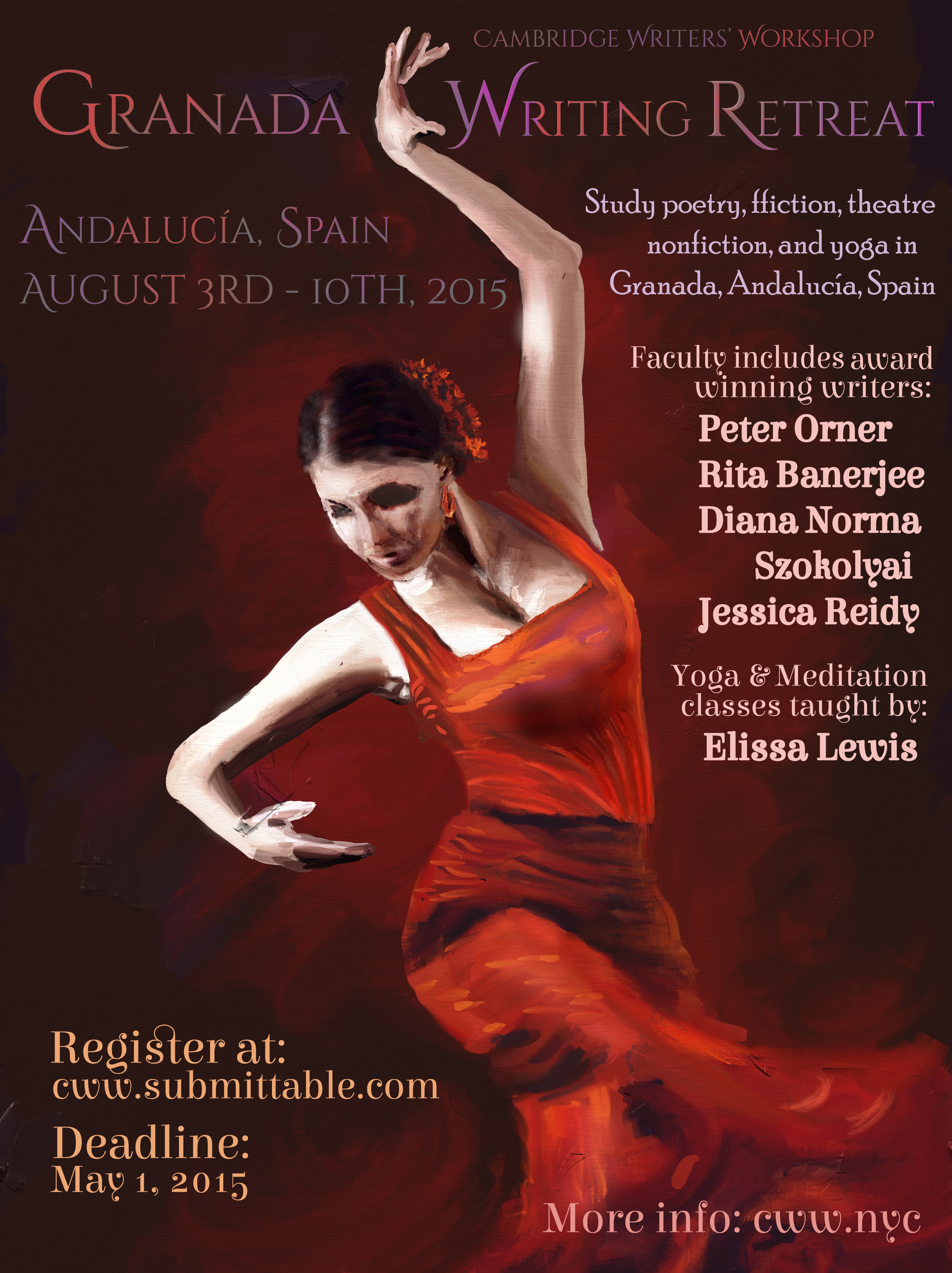
Join the Cambridge Writers’ Workshop on our summer writing & yoga retreat to the cultural oasis of Granada, Spain. Located at the foot of the Sierra Nevada mountains in Andalucía, Granada is one of the gems of Spain and has inspired writers from Washington Irving to Salman Rushdie to Ali Smith. Let the old city stimulate your writing with its winding streets, Moorish history, and evocative landscapes. Or, indulge in delicious Andalucían cuisine and traditional Arab baths. Work on your existing manuscript, or look to the beauty and warmth of Granada to inspire all-new projects.

The retreat offers the opportunity for writers of all genres and levels to work alongside award-winning authors & editors to hone their craft and expand their writing skills, while working on new or existing projects. Our Andalucían writing retreat will take place from August 3-10, 2015, and the cost of the workshop is $2950, which includes lodging, craft of writing seminars and writing workshops, yoga classes, room cleaning, and breakfast. Optional add-ons include reiki healing and aromatherapy sessions.

The retreat will be held at Hotel Guadalupe on Paseo de la Sabica in Granada, Spain.

Faculty includes Peter Orner (fiction, nonfiction), Rita Banerjee (poetry, fiction), Diana Norma Szkoloyai (poetry, nonfiction), Jessica Reidy (fiction, poetry) and Elissa Lewis (yoga, meditation).

If you’d like to join us in Granada, please apply online at cww.submittable.com by May 1, 2015, and include $5 application screening fee and a 5-page writing sample. (Due to limited seats, early applications are encouraged, but check for rolling admission after deadline, depending on availability).

applyDeadline: May 1, 2015

Featured Faculty:

Peter OrnerPeter Orner Chicago born Peter Orner’s fiction and non-fiction has appeared in the New York Times, the Atlantic Monthly, Granta, The Paris Review, McSweeney’s, The Southern Review, The Forward, The San Francisco Chronicle, and Ploughshares. Stories have been anthologized in Best American Stories and twice won a Pushcart Prize. Orner was awarded a Guggenheim Fellowship (2006), as well as the two-year Lannan Foundation Literary Fellowship (2007-2008). A film version of one of Orner’s stories, “The Raft” with a screenplay by Orner and the film’s director, Rob Jones, is currently in production and stars Ed Asner.  Esther Stories (Houghton Mifflin/​ Mariner, 2001) was awarded the Rome Prize from the American Academy of Arts and Letters, the Goldberg Prize for Jewish Fiction, and was a Finalist for the Pen Hemingway Award and the New York Public Library’s Young Lions Award. Esther Stories was a 2001 New York Times Notable Book.

RBRita Banerjee is a writer, and received her PhD in Comparative Literature from Harvard University. She holds an MFA in Poetry and her writing has been published in Poets for Living Waters, The New Renaissance, The Fiction Project, Jaggery, The Crab Creek Review, The Dudley Review, Objet d’Art, Vox Populi, Dr. Hurley’s Snake-Oil Cure, and Chrysanthemum among other journals. Her first collection of poems,Cracklers at Night, was published by Finishing Line Press in 2010 and received First Honorable Mention for Best Poetry Book at the 2011-2012 Los Angeles Book Festival. Her novella, A Night with Kali, was digitized by the Brooklyn Art-house Co-op in 2011. She is a co-director of the Cambridge Writers’ Workshop, and her writing has been recently featured on HER KIND by VIDA: Women in Literary Arts and on KBOO Radio’s APA Compass in Portland, Oregon.

DianaNormaDiana Norma Szkoloyai is author of the poetry books Roses in the Snow and Parallel Sparrows (Finishing Line Press). Her writing and hybrid art have appeared in Lyre Lyre, Dr. Hurley’s Snake Oil Cure, The Fiction Project, Teachers as Writers, Polarity, The Boston Globe, The Dudley Review, Up the Staircase, Area Zinc Art Magazine, Belltower & the Beach, and Human Rights News. Founding Literary Arts Director of Chagall Performance Art Collaborative and co-director of the Cambridge Writer’s Workshop, she holds an Ed.M from Harvard and an M.A. in French Literature from the University of Connecticut.

25ugmblJessica Reidy earned her MFA in Fiction at Florida State University and a B.A. from Hollins University. Her work is Pushcart-nominated and has appeared in Narrative Magazine as Short Story of the Week, The Los Angeles Review, Arsenic Lobster, and other journals. She’s a staff-writer and the Outreach Editor for Quail Bell Magazine, Managing Editor for VIDA: Women in the Literary Arts, Art Editor for The Southeast Review, and Visiting Professor for the Cambridge Writers’ Workshop retreats. She teaches creative writing and is a certified yoga instructor and Reiki Master. Jessica also works her Romani (Gypsy) family trades, fortune telling, energy healing, and dancing. Jessica is currently writing her first novel set in post-WWII Paris about Coco Charbonneau, the half-Romani burlesque dancer and fortune teller of Zenith Circus, who becomes a Nazi hunter. You can learn more at www.jessicareidy.com.

ElissaLewisElissa Lewis is the Yoga & Arts Coordinator of the Cambridge Writers’ Workshop.  She began her journey with yoga in 2006, when she moved to France and made the practice part of her daily routine. She saw yoga as a lifestyle, not only a class, helping her to clear her mind and have more compassion for herself and others. In 2010 she moved to New York and completed her teacher training at Laughing Lotus, a creative, soulful yoga studio that teaches the student to ‘move like yourself.’ She’s taught private and group classes in Manhattan and Brooklyn ever since. Visit her website for informative yoga sequences and information.

Cambridge Writers’ Workshop Newport, RI Writing Retreat feat. in Coldfront Magazine

rhode-islandThe Cambridge Writers’ Workshop’s retreat to Newport, RI has been featured in Coldfront Magazine. The website featured details of our retreat, along with information to help interested parties register for the event.

If you’re interested in the event, you can read more details about the retreat here. You can also register for the event here. You can also check out our Facebook event post for the event. Registration for the event has been extended to March 15th and now includes tuition and a few meals.

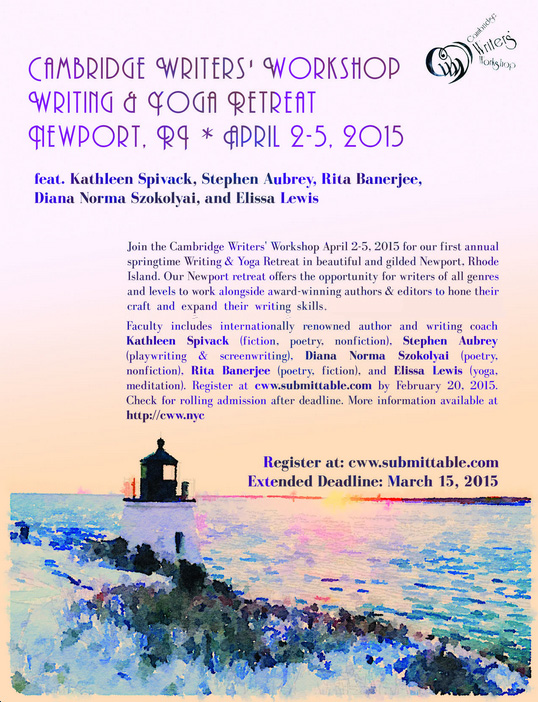
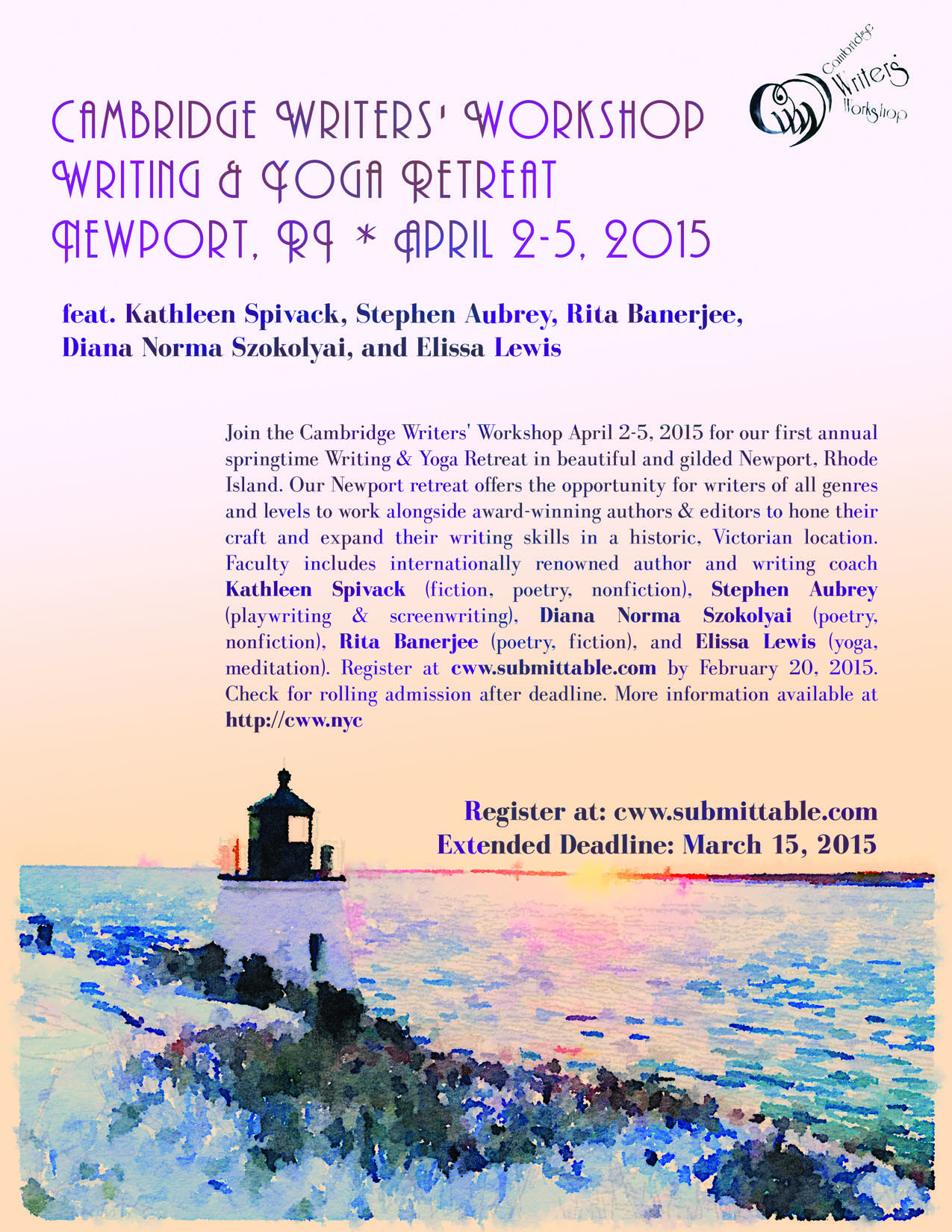
Register by March 15 for our Newport, RI Writing & Yoga Retreat (April 2-5, 2015)

newport2015poster


Join us April 2-5, 2015

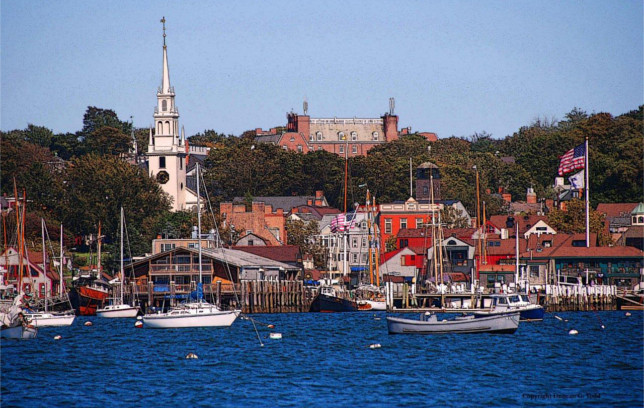
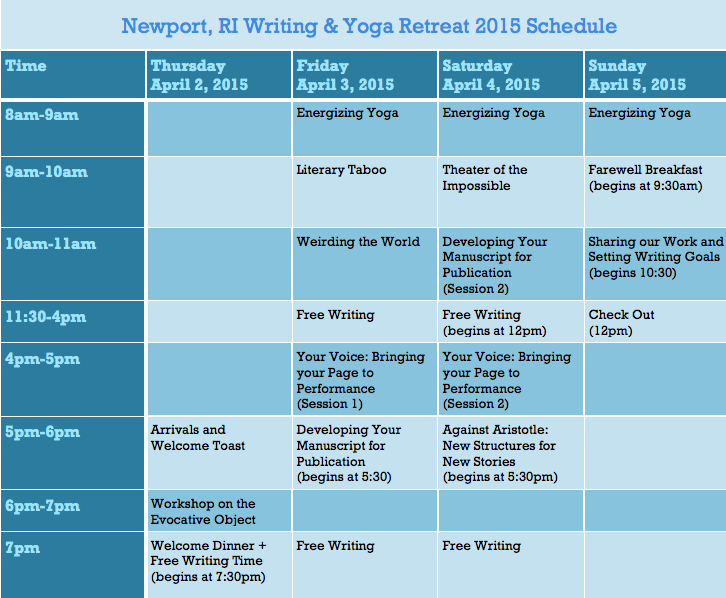
Our Newport retreat offers the opportunity for writers of all genres and levels to work alongside award-winning authors & editors to hone their craft and expand their writing skills, while working on new or existing projects. Famous for its seafood and coastline, we chose this location for its inspiring beauty and history. During free sessions in the afternoon, take a mansion tour of gilded-era Newport, visit the Newport Museum, listen to some Newport jazz classics, or just relax beside the ocean watching the sailboats and let the stunning location influence your writing.

Tuition includes:

  • Shared room lodging
  • Daily creative writing workshops 
  • Craft seminars
  • One-on-one manuscript consultations
  • Toasts
  • An orientation dinner
  • A farewell brunch 
  • Yoga and meditation classes

During the retreat, writers and yoga practitioners will learn craft techniques alongside award-winning and internationally-renowned authors such as Kathleen Spivack (fiction, poetry, nonfiction), Stephen Aubrey (playwriting, screenwriting), Rita Banerjee (poetry, fiction), & Diana Norma Szokolyai (poetry, nonfiction).  Yoga and meditation will be lead by Elissa Lewis

Included in the $650 tuition are all daily creative writing workshops, craft of writing seminars, one-on-one manuscript consultation, orientation dinner, toasts, and farewell brunch, plus daily yoga and meditation classes.  Shared room lodging is included. Please send us an email to inquire about partial attendance ($375 or $475 with shared lodging). Please inquire about optional add-ons include aromatherapy, massage, and reiki healing. There are limited seats for this workshop so apply early! There are limited seats, so apply early!  The extended deadline for admittance for our retreat is March 15, 2015.  Apply at cww.submittable.com.

Newport1

Faculty includes internationally renowned author and writing coach Kathleen Spivack (fiction, poetry, nonfiction), Stephen Aubrey (playwriting, screenwriting), Diana Norma Szokolyai (poetry, nonfiction), Rita Banerjee (poetry, fiction), and Elissa Lewis (yoga, meditation).

If you’d like to join us in Newport, please apply online at cww.submittable.com by March 15, 2015 and include $5 application screening fee along with a 5-page writing sample. (Due to limited seats, early applications are encouraged, but check for rolling admission after deadline, depending on availability).

applyExtended Deadline: March 15, 2015

Featured Faculty:

Stephen Aubrey is a Brooklyn-based writer, editor, dramaturg, lecturer, storyteller and recovering medievalist. His writing has appeared in Publishing Genius, CommonwealThe Brooklyn Review, Forté, Pomp & Circumstance, and The Outlet.  He is also a co-founder and the resident dramaturg and playwright of The Assembly Theater Company. His plays have been produced at The Ontological-Hysteric Theater, The Flea Theater, The Collapsable Hole, The Brick Theater, Symphony Space, the Abingdon Theater Complex, UNDER St Marks, The Philly Fringe and the Edinburgh Fringe Festival where his original play, We Can’t Reach You, Hartford, was nominated for a 2006 Fringe First Award.

Kathleen Spivack is the author of A History of Yearning, winner of the Sows Ear International Poetry Prize 2010, first runner up in the New England Book Festival, and winner of the London Book Festival; Moments of Past Happiness (Earthwinds/Grolier Editions 2007); The Beds We Lie In (Scarecrow 1986), nominated for a Pulitzer Prize; The Honeymoon (Graywolf 1986); Swimmer in the Spreading Dawn (Applewood 1981); The Jane Poems (Doubleday 1973); Flying Inland (Doubleday 1971); Robert Lowell and His Circle (2011) and a novel, Unspeakable Things. She is a recipient of the Allen Ginsberg Poetry Award 2010, the 2010 Erica Mumford Award, and the 2010 Paumanok Award. Published in numerous magazines and anthologies, some of her work has been translated into French. Other publications include The New Yorker, Ploughshares, The Atlantic Monthly, Poetry, Massachusetts Review, Virginia Quarterly, The Southern Review, Harvard Review, The Paris Review, The Kenyon Review, Agni, New Letters, and others. Her work is featured in numerous anthologies. She has also won several International Solas Prizes for “Best Essays.”

Diana Norma Szkoloyai is author of the poetry books Roses in the Snow and Parallel Sparrows (Finishing Line Press). Her writing and hybrid art have appeared in Lyre Lyre, Dr. Hurley’s Snake Oil Cure, The Fiction Project, Teachers as Writers, Polarity, The Boston Globe, The Dudley Review, Up the Staircase, Area Zinc Art Magazine, Belltower & the Beach, and Human Rights News. Founding Literary Arts Director of Chagall Performance Art Collaborative and co-director of the Cambridge Writer’s Workshop, she holds an Ed.M from Harvard and an M.A. in French Literature from the University of Connecticut.

Rita Banerjee is a writer, and received her PhD in Comparative Literature from Harvard University. She holds an MFA in Poetry and her writing has been published in Poets for Living Waters, The New Renaissance, The Fiction Project, Jaggery, The Crab Creek Review, The Dudley Review, Objet d’Art, Vox Populi, Dr. Hurley’s Snake-Oil Cure, and Chrysanthemum among other journals. Her first collection of poems,Cracklers at Night, was published by Finishing Line Press in 2010 and received First Honorable Mention for Best Poetry Book at the 2011-2012 Los Angeles Book Festival. Her novella, A Night with Kali, was digitized by the Brooklyn Art-house Co-op in 2011. She is a co-director of the Cambridge Writers’ Workshop, and her writing has been recently featured on HER KIND by VIDA: Women in Literary Arts and on KBOO Radio’s APA Compass in Portland, Oregon.

Elissa Lewis is the Yoga & Arts Coordinator of the Cambridge Writers’ Workshop.  She began her journey with yoga in 2006, when she moved to France and made the practice part of her daily routine. She saw yoga as a lifestyle, not only a class, helping her to clear her mind and have more compassion for herself and others. In 2010 she moved to New York and completed her teacher training at Laughing Lotus, a creative, soulful yoga studio that teaches the student to ‘move like yourself.’ She’s taught private and group classes in Manhattan and Brooklyn ever since. Visit her website for informative yoga sequences and information.

Suggested Accommodations:

We encourage people to stay at the Architect’s Inn, as they are affiliated with Inn Bliss and will make your stay as comfortable as possible.  They are offering a special discount for people on our retreat.  Contact Nick Maione for details at (401)845-2547 and mention that you are with the Cambridge Writers’ Workshop.  Discounts will depend on the particular room and number of nights you are staying between April 2-5, 2015.

(Detailed list with descriptions and locations available here.)

Bed & Breakfast:

Newport Blues Inn, average nightly price from $109-$269
Marshall Slocum Inn, average nightly price from $137-$175
Ivy Lodge, average nightly price from $139-$209
La Farge Perry House, average nightly price from $149-$269
Hydrangea House Inn, average nightly price from $150-$233
Sarah Kendall Houseaverage nightly price from $150-$295
Beech Tree Inn & Cottage, average nightly price from $155-$202
Almondy Inn, average nightly price from $175-$290
Cliffside Inn, average nightly price from $175-$365
Samuel Durfee House, average nightly price from $186-$233
Frances Malbone House, average nightly prices from $207-$395

Mid-Range Hotel:

The Attwater, average nightly price from $119-$409
Newport Harbor Hotel & Marina, average nightly price from $155-$185
Mill Street Inn, average nightly prices from $168-$228
Hyatt Regency Newport, average nightly prices from $229-$379

Budget Hotel:

Mainstay Hotel & Conference Center, average nightly prices from $64-$82
Carriage House Inn, average nightly prices from $99
Courtyard Marriott Newport Middletown, average nightly prices from $99
AirBnb Rentals, prices vary